Buy neolithique.eu ?
We are moving the project
neolithique.eu .
Are you interested in purchasing the domain
neolithique.eu ?
domain@kv-gmbh.de · 0541-91531010
Buy neolithique.eu ?
How do I clean wooden louvered doors?
To clean wooden louvered doors, start by dusting them with a soft cloth or a duster to remove any loose dirt and debris. Then, mix a mild detergent with warm water and use a sponge or cloth to gently scrub the louvers, making sure to wring out excess water to avoid saturating the wood. After cleaning, use a clean, dry cloth to wipe down the doors and remove any excess moisture. Finally, allow the doors to air dry completely before closing them to prevent any warping or damage. **
Can you do pottery without using any tools?
It is possible to do pottery without using traditional tools, but it would be quite challenging. While tools such as pottery wheels, carving tools, and shaping tools make the process easier and more precise, it is possible to create pottery using only your hands. This method, known as hand-building, involves shaping the clay using just your hands and fingers. It requires a great deal of skill and patience, but it can result in unique and beautiful pottery pieces. **

Similar search terms for Louvered
Top-Angebote
Products related to Louvered:
-
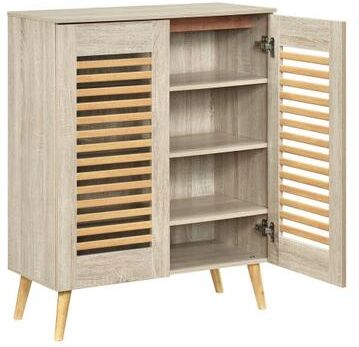
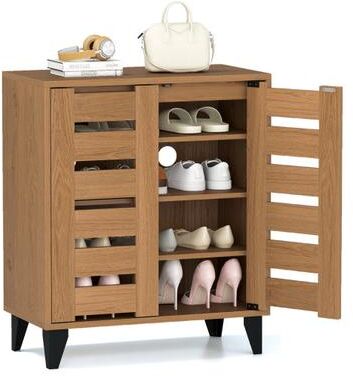
Bluebell 5-Tier Freestanding Shoe Cabinet with Drawer, Louvered DoorsLouvered Door Design: Harmonizing vintage allure with contemporary style, this entryway shoe cabinet features two louvered doors for satisfactory air circulation and excellent shoe storage.181,69 $*Shipping: 0,00 $Secure redirect to the provider
-
MIRUO Louvered Metal Privacy Screen Panel Free Standing - 72*47Add modern elegance and privacy to your space with our Privacy Screen Divider. Featuring an elegant pattern design, this screen enhances the aesthetics of indoor and outdoor areas while providing privacy protection.182,99 $*Shipping: 0,00 $Secure redirect to the provider


-
What tools were there in the Stone Age?
During the Stone Age, tools were primarily made from materials such as stone, bone, and wood. Some common tools included hand axes, knives, scrapers, and spear points. These tools were used for hunting, gathering, and various other tasks necessary for survival. The development of these tools marked a significant advancement in early human societies. **
-
Which is cheaper, a pottery course or owning a pottery wheel?
In general, taking a pottery course is likely to be cheaper than owning a pottery wheel. Pottery courses typically provide access to a variety of equipment, materials, and instruction for a set fee, whereas purchasing a pottery wheel can be a significant upfront investment. Additionally, pottery courses may offer the opportunity to try out different techniques and styles before committing to purchasing a wheel. Overall, taking a pottery course can be a more cost-effective way to explore pottery as a hobby or skill. **
-
What is cheaper, a pottery class or your own pottery wheel?
In general, a pottery class is usually cheaper than purchasing your own pottery wheel. Pottery classes typically provide all the necessary materials, tools, and instruction needed to create pottery pieces, whereas buying a pottery wheel can be a significant investment. Additionally, pottery classes offer the opportunity to learn from experienced instructors and interact with other students, which can enhance the overall learning experience. However, if you plan to make pottery regularly and have the space and resources to set up a pottery studio at home, investing in your own pottery wheel may be more cost-effective in the long run. **
-
What is cheaper, a pottery course or owning a pottery wheel?
In general, taking a pottery course is usually cheaper than owning a pottery wheel. Pottery courses typically provide access to a pottery wheel, kiln, and other necessary tools and materials for a set fee. On the other hand, owning a pottery wheel requires a significant upfront investment in purchasing the equipment, as well as ongoing costs for maintenance, clay, glazes, and firing. Additionally, taking a pottery course allows for instruction, guidance, and a supportive community, which can be beneficial for beginners. **


Which is cheaper, a pottery course or buying your own pottery wheel?
In general, taking a pottery course is likely to be cheaper than buying your own pottery wheel. Pottery courses typically provide access to all the necessary equipment, materials, and instruction for a set fee, whereas purchasing a pottery wheel can be a significant investment. Additionally, pottery courses offer the opportunity to learn from experienced instructors and interact with other students, which can enhance the overall learning experience. However, if you plan to continue practicing pottery long-term, buying your own pottery wheel may eventually be more cost-effective. **
How does one learn pottery?
Learning pottery involves a combination of practice, patience, and guidance from experienced potters. Beginners can start by taking classes at a local pottery studio or community center to learn the basics of hand-building techniques, wheel-throwing, and glazing. It is important to practice regularly and experiment with different techniques to develop skills and find one's own style. Additionally, watching tutorials, reading books, and attending workshops can also help in expanding knowledge and improving pottery skills. **
Top-Angebote
Products related to Louvered:
-
EROMMY Outdoor Pergola With Adjustable Louvered Roof & Integrated Drainage, Heavy-Duty Metal Louvered Pergola For Patios, Without Curtains & Netting White 3.6m x 3mUpgrade your outdoor living space with this modern louvered pergola, designed for both style and all-weather functionality. The adjustable roof lets you easily control sunlight and shade—open the louvers for fresh air and natural light, or close them for full coverage and protection from rain. Built with a heavy-duty metal frame, this pergola offers exceptional durability and stability for long-term outdoor use. The integrated drainage system efficiently channels rainwater away, helping keep your patio area dry and comfortable. With its clean, contemporary design and open structure (no curtains or netting), this pergola creates a sleek, airy atmosphere—perfect for patios, gardens, decks, or outdoor dining areas. EROMMY Size: 3.6m x 3m, Finish: White1430,00 £*Shipping: 0,00 £Secure redirect to the provider
-
Bluebell 5-Tier Freestanding Shoe Cabinet with Drawer, Louvered DoorsLouvered Door Design: Harmonizing vintage allure with contemporary style, this entryway shoe cabinet features two louvered doors for satisfactory air circulation and excellent shoe storage.181,69 $*Shipping: 0,00 $Secure redirect to the provider
-
How do I clean wooden louvered doors?
To clean wooden louvered doors, start by dusting them with a soft cloth or a duster to remove any loose dirt and debris. Then, mix a mild detergent with warm water and use a sponge or cloth to gently scrub the louvers, making sure to wring out excess water to avoid saturating the wood. After cleaning, use a clean, dry cloth to wipe down the doors and remove any excess moisture. Finally, allow the doors to air dry completely before closing them to prevent any warping or damage. **
-
Can you do pottery without using any tools?
It is possible to do pottery without using traditional tools, but it would be quite challenging. While tools such as pottery wheels, carving tools, and shaping tools make the process easier and more precise, it is possible to create pottery using only your hands. This method, known as hand-building, involves shaping the clay using just your hands and fingers. It requires a great deal of skill and patience, but it can result in unique and beautiful pottery pieces. **
-
What tools were there in the Stone Age?
During the Stone Age, tools were primarily made from materials such as stone, bone, and wood. Some common tools included hand axes, knives, scrapers, and spear points. These tools were used for hunting, gathering, and various other tasks necessary for survival. The development of these tools marked a significant advancement in early human societies. **
-
Which is cheaper, a pottery course or owning a pottery wheel?
In general, taking a pottery course is likely to be cheaper than owning a pottery wheel. Pottery courses typically provide access to a variety of equipment, materials, and instruction for a set fee, whereas purchasing a pottery wheel can be a significant upfront investment. Additionally, pottery courses may offer the opportunity to try out different techniques and styles before committing to purchasing a wheel. Overall, taking a pottery course can be a more cost-effective way to explore pottery as a hobby or skill. **
Similar search terms for Louvered
-
MIRUO Louvered Metal Privacy Screen Panel Free Standing - 72*47Add modern elegance and privacy to your space with our Privacy Screen Divider. Featuring an elegant pattern design, this screen enhances the aesthetics of indoor and outdoor areas while providing privacy protection.182,99 $*Shipping: 0,00 $Secure redirect to the provider
-
PURPLE LEAF Bronze Louvered Pergola Accessories Roller Blinds (Pergola Not Included)Roller Blinds only suitable for PURPLE LEAF Louvered Pergola, If you want to buy a suitable pergola, please search: 44147632. Key Reminder Roller Blinds Only and Frames NOT Included.222,00 $*Shipping: 0,00 $Secure redirect to the provider
-
What is cheaper, a pottery class or your own pottery wheel?
In general, a pottery class is usually cheaper than purchasing your own pottery wheel. Pottery classes typically provide all the necessary materials, tools, and instruction needed to create pottery pieces, whereas buying a pottery wheel can be a significant investment. Additionally, pottery classes offer the opportunity to learn from experienced instructors and interact with other students, which can enhance the overall learning experience. However, if you plan to make pottery regularly and have the space and resources to set up a pottery studio at home, investing in your own pottery wheel may be more cost-effective in the long run. **
-
What is cheaper, a pottery course or owning a pottery wheel?
In general, taking a pottery course is usually cheaper than owning a pottery wheel. Pottery courses typically provide access to a pottery wheel, kiln, and other necessary tools and materials for a set fee. On the other hand, owning a pottery wheel requires a significant upfront investment in purchasing the equipment, as well as ongoing costs for maintenance, clay, glazes, and firing. Additionally, taking a pottery course allows for instruction, guidance, and a supportive community, which can be beneficial for beginners. **
-
Which is cheaper, a pottery course or buying your own pottery wheel?
In general, taking a pottery course is likely to be cheaper than buying your own pottery wheel. Pottery courses typically provide access to all the necessary equipment, materials, and instruction for a set fee, whereas purchasing a pottery wheel can be a significant investment. Additionally, pottery courses offer the opportunity to learn from experienced instructors and interact with other students, which can enhance the overall learning experience. However, if you plan to continue practicing pottery long-term, buying your own pottery wheel may eventually be more cost-effective. **
-
How does one learn pottery?
Learning pottery involves a combination of practice, patience, and guidance from experienced potters. Beginners can start by taking classes at a local pottery studio or community center to learn the basics of hand-building techniques, wheel-throwing, and glazing. It is important to practice regularly and experiment with different techniques to develop skills and find one's own style. Additionally, watching tutorials, reading books, and attending workshops can also help in expanding knowledge and improving pottery skills. **
* All prices are inclusive of VAT and, if applicable, plus shipping costs. The offer information is based on the details provided by the respective shop and is updated through automated processes. Real-time updates do not occur, so deviations can occur in individual cases. ** Note: Parts of this content were created by AI.