Buy neolithique.eu ?
We are moving the project
neolithique.eu .
Are you interested in purchasing the domain
neolithique.eu ?
domain@kv-gmbh.de · 0541-91531010
Buy neolithique.eu ?
What tools were there in the Stone Age?
During the Stone Age, tools were primarily made from materials such as stone, bone, and wood. Some common tools included hand axes, knives, scrapers, and spear points. These tools were used for hunting, gathering, and various other tasks necessary for survival. The development of these tools marked a significant advancement in early human societies. **
Do people age slower in space?
While there is some evidence to suggest that astronauts may experience slightly slower aging due to the effects of microgravity on the body, the difference is very minimal. Factors such as exposure to cosmic radiation and the stress of space travel can also have negative impacts on the body that may counteract any potential benefits of slower aging. Overall, the effects of space travel on aging are still not fully understood and more research is needed to draw definitive conclusions. **


Similar search terms for Space-age
Top-Angebote
Products related to Space-age:
-
Usborne Beginners History 10 Books Collection Box Set Educational History Books for Children - Stone Age Iron Age - HARDCOVERUsborne Beginners History 10 Books Collection Box Set Stone Age Iron Age Egyptians Ancient Greeks .. Stone Age This simple information book follows the history of Stone Age people and how they lived. Iron Age This simple information book charts the history of Iron Age people and how they lived; including their farming methods; the gods they prayed to and the hill forts where they lived. Egyptians Who were the ancient Egyptians? Why did they build pyramids and how were mummies made? Ancient Greeks Find out about Ancient Greece; what people wore; ate and did for fun and learn about some of the most famous philosophers and mathematicians of the age in this compelling book for beginner readers. Celts Who were the Celts exactly? Did you know they lived on top of hills? Do you have any idea how Celtic warriors made themselves look really scary in battle? Romans Who were the ancient Romans? Where did they go to eat; shop and wash? What did they do for fun? The Maya Who were the Maya? Where did they live? Why did they build tall stone temples? Vikings Find out what it was like to be a Viking; and learn about Viking homes; feasts; boats; gods and much more in this fascinating book. Castles Who lived in a castle; and what was it like? Children can find out the answers to these questions and lots more about the wonderful world of castles in this informative book. Digging Up the Past How do ancient things get buried? Who digs them up? And what do they find? Beginner readers can find answers to these questions and more in this colourful information book. Related Tags: Usborne, Usbourne14,99 £*Shipping: 2,99 £Secure redirect to the provider
-
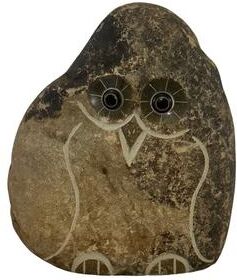
Stone Age Creations Handcrafted Granite Boulder Cat Sculpture, Unique Natural Stone AccentAdd a touch of natural beauty and charm to your space with this Granite Boulder Cat sculpture. Crafted from a solid granite boulder, each cat features hand-carved accents that bring out its unique personality.27,37 $*Shipping: 0,00 $Secure redirect to the provider
-
Stone Age Creations Stone Animal Collection, Hand-Carved Granite Boulder DogsDiscover Our Stone Animal Collection Bring nature’s artistry into your home or garden with our Stone Animal Collection, featuring hand-carved granite dogs that capture the essence of your favorite companion.54,55 $*Shipping: 0,00 $Secure redirect to the provider



-
How much space do the tools need?
The tools need a moderate amount of space to be used effectively. Depending on the specific tool, it may require a small workbench or a larger area for operation. It's important to consider the size and range of motion required for each tool to ensure that there is enough space for safe and efficient use. Additionally, proper storage space should be allocated to keep the tools organized and easily accessible. **
-
Which space-creating tools are used in art class?
In art class, various space-creating tools are used to manipulate the perception of depth and distance in artwork. Some common tools include pencils for sketching and shading, brushes for painting, and sculpting tools for creating three-dimensional pieces. Artists also use techniques such as perspective, overlapping, and size variation to create the illusion of space within their work. Overall, these tools and techniques help artists bring their creations to life by adding depth and dimension. **
-
Was the Ice Age before the Stone Age?
Yes, the Ice Age occurred before the Stone Age. The Ice Age was a period of time when much of the Earth's surface was covered in ice sheets, glaciers, and cold temperatures. The Stone Age followed the end of the Ice Age and is characterized by the use of stone tools by early human societies. **
-
How do archaeologists determine the age of artifacts?
Archaeologists determine the age of artifacts through various methods such as radiocarbon dating, dendrochronology, and thermoluminescence dating. Radiocarbon dating measures the amount of radioactive carbon in an artifact to determine its age. Dendrochronology involves analyzing the growth rings in wood artifacts to establish their age. Thermoluminescence dating measures the amount of light released when an artifact is heated, helping to determine how long it has been since the artifact was last heated or exposed to sunlight. By using these and other dating techniques, archaeologists can accurately determine the age of artifacts. **

Can you do pottery without using any tools?
It is possible to do pottery without using traditional tools, but it would be quite challenging. While tools such as pottery wheels, carving tools, and shaping tools make the process easier and more precise, it is possible to create pottery using only your hands. This method, known as hand-building, involves shaping the clay using just your hands and fingers. It requires a great deal of skill and patience, but it can result in unique and beautiful pottery pieces. **
What helps when metal tools rust in the living space?
To prevent metal tools from rusting in the living space, it's important to keep them clean and dry. After using the tools, wipe them down with a dry cloth to remove any moisture. Additionally, storing the tools in a dry area or using a dehumidifier can help prevent rust from forming. Applying a thin layer of oil or a rust inhibitor to the metal surfaces can also provide protection against rust. Regular maintenance and care of metal tools will help prolong their lifespan and prevent rust from developing in the living space. **
Top-Angebote
Products related to Space-age:
-
Stone Age Creations Stone Animal Collection, Hand-Carved Granite Boulder DogsDiscover Our Stone Animal Collection Bring nature’s artistry into your home or garden with our Stone Animal Collection, featuring hand-carved granite dogs that capture the essence of your favorite companion.38,49 $*Shipping: 0,00 $Secure redirect to the provider
-
Usborne Beginners History 10 Books Collection Box Set Educational History Books for Children - Stone Age Iron Age - HARDCOVERUsborne Beginners History 10 Books Collection Box Set Stone Age Iron Age Egyptians Ancient Greeks .. Stone Age This simple information book follows the history of Stone Age people and how they lived. Iron Age This simple information book charts the history of Iron Age people and how they lived; including their farming methods; the gods they prayed to and the hill forts where they lived. Egyptians Who were the ancient Egyptians? Why did they build pyramids and how were mummies made? Ancient Greeks Find out about Ancient Greece; what people wore; ate and did for fun and learn about some of the most famous philosophers and mathematicians of the age in this compelling book for beginner readers. Celts Who were the Celts exactly? Did you know they lived on top of hills? Do you have any idea how Celtic warriors made themselves look really scary in battle? Romans Who were the ancient Romans? Where did they go to eat; shop and wash? What did they do for fun? The Maya Who were the Maya? Where did they live? Why did they build tall stone temples? Vikings Find out what it was like to be a Viking; and learn about Viking homes; feasts; boats; gods and much more in this fascinating book. Castles Who lived in a castle; and what was it like? Children can find out the answers to these questions and lots more about the wonderful world of castles in this informative book. Digging Up the Past How do ancient things get buried? Who digs them up? And what do they find? Beginner readers can find answers to these questions and more in this colourful information book. Related Tags: Usborne, Usbourne14,99 £*Shipping: 2,99 £Secure redirect to the provider
-
What tools were there in the Stone Age?
During the Stone Age, tools were primarily made from materials such as stone, bone, and wood. Some common tools included hand axes, knives, scrapers, and spear points. These tools were used for hunting, gathering, and various other tasks necessary for survival. The development of these tools marked a significant advancement in early human societies. **
-
Do people age slower in space?
While there is some evidence to suggest that astronauts may experience slightly slower aging due to the effects of microgravity on the body, the difference is very minimal. Factors such as exposure to cosmic radiation and the stress of space travel can also have negative impacts on the body that may counteract any potential benefits of slower aging. Overall, the effects of space travel on aging are still not fully understood and more research is needed to draw definitive conclusions. **
-
How much space do the tools need?
The tools need a moderate amount of space to be used effectively. Depending on the specific tool, it may require a small workbench or a larger area for operation. It's important to consider the size and range of motion required for each tool to ensure that there is enough space for safe and efficient use. Additionally, proper storage space should be allocated to keep the tools organized and easily accessible. **
-
Which space-creating tools are used in art class?
In art class, various space-creating tools are used to manipulate the perception of depth and distance in artwork. Some common tools include pencils for sketching and shading, brushes for painting, and sculpting tools for creating three-dimensional pieces. Artists also use techniques such as perspective, overlapping, and size variation to create the illusion of space within their work. Overall, these tools and techniques help artists bring their creations to life by adding depth and dimension. **
Similar search terms for Space-age
-
Stone Age Creations Handcrafted Granite Boulder Cat Sculpture, Unique Natural Stone AccentAdd a touch of natural beauty and charm to your space with this Granite Boulder Cat sculpture. Crafted from a solid granite boulder, each cat features hand-carved accents that bring out its unique personality.27,37 $*Shipping: 0,00 $Secure redirect to the provider
-
Stone Age Creations Stone Animal Collection, Hand-Carved Granite Boulder DogsDiscover Our Stone Animal Collection Bring nature’s artistry into your home or garden with our Stone Animal Collection, featuring hand-carved granite dogs that capture the essence of your favorite companion.54,55 $*Shipping: 0,00 $Secure redirect to the provider
-
Stone Age Creations Stone Animal Collection, Hand-Carved Granite Boulder DogsDiscover Our Stone Animal Collection Bring nature’s artistry into your home or garden with our Stone Animal Collection, featuring hand-carved granite dogs that capture the essence of your favorite companion.70,13 $*Shipping: 0,00 $Secure redirect to the provider
-
Was the Ice Age before the Stone Age?
Yes, the Ice Age occurred before the Stone Age. The Ice Age was a period of time when much of the Earth's surface was covered in ice sheets, glaciers, and cold temperatures. The Stone Age followed the end of the Ice Age and is characterized by the use of stone tools by early human societies. **
-
How do archaeologists determine the age of artifacts?
Archaeologists determine the age of artifacts through various methods such as radiocarbon dating, dendrochronology, and thermoluminescence dating. Radiocarbon dating measures the amount of radioactive carbon in an artifact to determine its age. Dendrochronology involves analyzing the growth rings in wood artifacts to establish their age. Thermoluminescence dating measures the amount of light released when an artifact is heated, helping to determine how long it has been since the artifact was last heated or exposed to sunlight. By using these and other dating techniques, archaeologists can accurately determine the age of artifacts. **
-
Can you do pottery without using any tools?
It is possible to do pottery without using traditional tools, but it would be quite challenging. While tools such as pottery wheels, carving tools, and shaping tools make the process easier and more precise, it is possible to create pottery using only your hands. This method, known as hand-building, involves shaping the clay using just your hands and fingers. It requires a great deal of skill and patience, but it can result in unique and beautiful pottery pieces. **
-
What helps when metal tools rust in the living space?
To prevent metal tools from rusting in the living space, it's important to keep them clean and dry. After using the tools, wipe them down with a dry cloth to remove any moisture. Additionally, storing the tools in a dry area or using a dehumidifier can help prevent rust from forming. Applying a thin layer of oil or a rust inhibitor to the metal surfaces can also provide protection against rust. Regular maintenance and care of metal tools will help prolong their lifespan and prevent rust from developing in the living space. **
* All prices are inclusive of VAT and, if applicable, plus shipping costs. The offer information is based on the details provided by the respective shop and is updated through automated processes. Real-time updates do not occur, so deviations can occur in individual cases. ** Note: Parts of this content were created by AI.