Buy neolithique.eu ?
We are moving the project
neolithique.eu .
Are you interested in purchasing the domain
neolithique.eu ?
domain@kv-gmbh.de · 0541-91531010
Buy neolithique.eu ?
Why are there switchback roads instead of straight roads?
Switchback roads are often built in mountainous or hilly terrain where the landscape is too steep for a straight road to be constructed. The switchback design allows the road to ascend or descend a steep slope in a series of zigzag turns, making it easier for vehicles to navigate the terrain. This design also helps to reduce the steepness of the road, making it safer for drivers and reducing the risk of accidents. Additionally, switchback roads are often more cost-effective to build in challenging terrain compared to straight roads. **
Can you do pottery without using any tools?
It is possible to do pottery without using traditional tools, but it would be quite challenging. While tools such as pottery wheels, carving tools, and shaping tools make the process easier and more precise, it is possible to create pottery using only your hands. This method, known as hand-building, involves shaping the clay using just your hands and fingers. It requires a great deal of skill and patience, but it can result in unique and beautiful pottery pieces. **

Similar search terms for Switchback
Top-Angebote
Products related to Switchback:
-
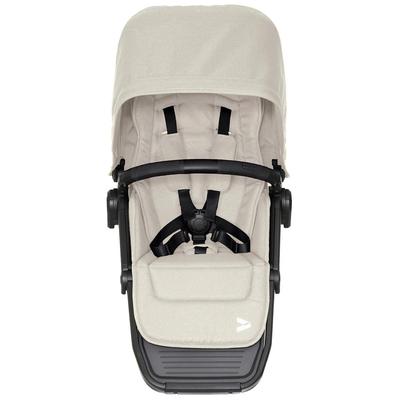
Veer OPEN BOX Switchback SeatThe revolutionary Switchback Seat is designed for any Veer frame so you can stroll, jog, bike or chill with one click from birth on. Easy clean, cushy softgoods, bump absorbing dampers and on-demand shade make for the most comfortable ride.What's...299,25 $*Shipping: 0,00 $Secure redirect to the provider
-
Veer OPEN BOX Switchback BassinetTransform the &Roll stroller and &Jog jogger for your newborn. Whether for naps on the go or overnight sleeping, the Bassinet allows your baby to lie completely flat.Features: Handle with one-button release; Soft, vegan faux suede interior;...186,75 $*Shipping: 0,00 $Secure redirect to the provider
-
Veer Switchback Seat Luxe - Black OnyxThe Switchback Seat Luxe connects to any Veer frame for next level versatility, so you can stroll, jog, bike, cruise or just chill with one ergonomic seat from birth on. When you stop for mealtime, the Switchback Seat even becomes your booster...399,00 $*Shipping: 0,00 $Secure redirect to the provider
-
Veer Switchback Seat Luxe - Gray GraniteThe Switchback Seat Luxe connects to any Veer frame for next level versatility, so you can stroll, jog, bike, cruise or just chill with one ergonomic seat from birth on. When you stop for mealtime, the Switchback Seat even becomes your booster...399,00 $*Shipping: 0,00 $Secure redirect to the provider


-
What tools were there in the Stone Age?
During the Stone Age, tools were primarily made from materials such as stone, bone, and wood. Some common tools included hand axes, knives, scrapers, and spear points. These tools were used for hunting, gathering, and various other tasks necessary for survival. The development of these tools marked a significant advancement in early human societies. **
-
Which is cheaper, a pottery course or owning a pottery wheel?
In general, taking a pottery course is likely to be cheaper than owning a pottery wheel. Pottery courses typically provide access to a variety of equipment, materials, and instruction for a set fee, whereas purchasing a pottery wheel can be a significant upfront investment. Additionally, pottery courses may offer the opportunity to try out different techniques and styles before committing to purchasing a wheel. Overall, taking a pottery course can be a more cost-effective way to explore pottery as a hobby or skill. **
-
What is cheaper, a pottery class or your own pottery wheel?
In general, a pottery class is usually cheaper than purchasing your own pottery wheel. Pottery classes typically provide all the necessary materials, tools, and instruction needed to create pottery pieces, whereas buying a pottery wheel can be a significant investment. Additionally, pottery classes offer the opportunity to learn from experienced instructors and interact with other students, which can enhance the overall learning experience. However, if you plan to make pottery regularly and have the space and resources to set up a pottery studio at home, investing in your own pottery wheel may be more cost-effective in the long run. **
-
What is cheaper, a pottery course or owning a pottery wheel?
In general, taking a pottery course is usually cheaper than owning a pottery wheel. Pottery courses typically provide access to a pottery wheel, kiln, and other necessary tools and materials for a set fee. On the other hand, owning a pottery wheel requires a significant upfront investment in purchasing the equipment, as well as ongoing costs for maintenance, clay, glazes, and firing. Additionally, taking a pottery course allows for instruction, guidance, and a supportive community, which can be beneficial for beginners. **


Which is cheaper, a pottery course or buying your own pottery wheel?
In general, taking a pottery course is likely to be cheaper than buying your own pottery wheel. Pottery courses typically provide access to all the necessary equipment, materials, and instruction for a set fee, whereas purchasing a pottery wheel can be a significant investment. Additionally, pottery courses offer the opportunity to learn from experienced instructors and interact with other students, which can enhance the overall learning experience. However, if you plan to continue practicing pottery long-term, buying your own pottery wheel may eventually be more cost-effective. **
How does one learn pottery?
Learning pottery involves a combination of practice, patience, and guidance from experienced potters. Beginners can start by taking classes at a local pottery studio or community center to learn the basics of hand-building techniques, wheel-throwing, and glazing. It is important to practice regularly and experiment with different techniques to develop skills and find one's own style. Additionally, watching tutorials, reading books, and attending workshops can also help in expanding knowledge and improving pottery skills. **
Top-Angebote
Products related to Switchback:
-
Veer Switchback Winter MuffToasty warm comfort for chilly adventures. 100% machine-washable vegan shearling. Front zips open. Removable front converts muff to a cozy seat liner.Features: Soft, vegan faux shearling interior; Snaps intoSwitchback Seat; Harness feeds through...149,00 $*Shipping: 0,00 $Secure redirect to the provider
-
Veer Switchback Seat Luxe - NaturalThe Switchback Seat Luxe connects to any Veer frame for next level versatility, so you can stroll, jog, bike, cruise or just chill with one ergonomic seat from birth on. When you stop for mealtime, the Switchback Seat even becomes your booster...399,00 $*Shipping: 0,00 $Secure redirect to the provider
-
Veer OPEN BOX Switchback SeatThe revolutionary Switchback Seat is designed for any Veer frame so you can stroll, jog, bike or chill with one click from birth on. Easy clean, cushy softgoods, bump absorbing dampers and on-demand shade make for the most comfortable ride.What's...299,25 $*Shipping: 0,00 $Secure redirect to the provider
-
Veer OPEN BOX Switchback BassinetTransform the &Roll stroller and &Jog jogger for your newborn. Whether for naps on the go or overnight sleeping, the Bassinet allows your baby to lie completely flat.Features: Handle with one-button release; Soft, vegan faux suede interior;...186,75 $*Shipping: 0,00 $Secure redirect to the provider
-
Why are there switchback roads instead of straight roads?
Switchback roads are often built in mountainous or hilly terrain where the landscape is too steep for a straight road to be constructed. The switchback design allows the road to ascend or descend a steep slope in a series of zigzag turns, making it easier for vehicles to navigate the terrain. This design also helps to reduce the steepness of the road, making it safer for drivers and reducing the risk of accidents. Additionally, switchback roads are often more cost-effective to build in challenging terrain compared to straight roads. **
-
Can you do pottery without using any tools?
It is possible to do pottery without using traditional tools, but it would be quite challenging. While tools such as pottery wheels, carving tools, and shaping tools make the process easier and more precise, it is possible to create pottery using only your hands. This method, known as hand-building, involves shaping the clay using just your hands and fingers. It requires a great deal of skill and patience, but it can result in unique and beautiful pottery pieces. **
-
What tools were there in the Stone Age?
During the Stone Age, tools were primarily made from materials such as stone, bone, and wood. Some common tools included hand axes, knives, scrapers, and spear points. These tools were used for hunting, gathering, and various other tasks necessary for survival. The development of these tools marked a significant advancement in early human societies. **
-
Which is cheaper, a pottery course or owning a pottery wheel?
In general, taking a pottery course is likely to be cheaper than owning a pottery wheel. Pottery courses typically provide access to a variety of equipment, materials, and instruction for a set fee, whereas purchasing a pottery wheel can be a significant upfront investment. Additionally, pottery courses may offer the opportunity to try out different techniques and styles before committing to purchasing a wheel. Overall, taking a pottery course can be a more cost-effective way to explore pottery as a hobby or skill. **
Similar search terms for Switchback
-
Veer Switchback Seat Luxe - Black OnyxThe Switchback Seat Luxe connects to any Veer frame for next level versatility, so you can stroll, jog, bike, cruise or just chill with one ergonomic seat from birth on. When you stop for mealtime, the Switchback Seat even becomes your booster...399,00 $*Shipping: 0,00 $Secure redirect to the provider
-
Veer Switchback Seat Luxe - Gray GraniteThe Switchback Seat Luxe connects to any Veer frame for next level versatility, so you can stroll, jog, bike, cruise or just chill with one ergonomic seat from birth on. When you stop for mealtime, the Switchback Seat even becomes your booster...399,00 $*Shipping: 0,00 $Secure redirect to the provider
-
Veer Switchback Seat Luxe - Blue BerylThe Switchback Seat Luxe connects to any Veer frame for next level versatility, so you can stroll, jog, bike, cruise or just chill with one ergonomic seat from birth on. When you stop for mealtime, the Switchback Seat even becomes your booster...399,00 $*Shipping: 0,00 $Secure redirect to the provider
-
Veer Switchback Seat Luxe - Brown MicaThe Switchback Seat Luxe connects to any Veer frame for next level versatility, so you can stroll, jog, bike, cruise or just chill with one ergonomic seat from birth on. When you stop for mealtime, the Switchback Seat even becomes your booster...399,00 $*Shipping: 0,00 $Secure redirect to the provider
-
What is cheaper, a pottery class or your own pottery wheel?
In general, a pottery class is usually cheaper than purchasing your own pottery wheel. Pottery classes typically provide all the necessary materials, tools, and instruction needed to create pottery pieces, whereas buying a pottery wheel can be a significant investment. Additionally, pottery classes offer the opportunity to learn from experienced instructors and interact with other students, which can enhance the overall learning experience. However, if you plan to make pottery regularly and have the space and resources to set up a pottery studio at home, investing in your own pottery wheel may be more cost-effective in the long run. **
-
What is cheaper, a pottery course or owning a pottery wheel?
In general, taking a pottery course is usually cheaper than owning a pottery wheel. Pottery courses typically provide access to a pottery wheel, kiln, and other necessary tools and materials for a set fee. On the other hand, owning a pottery wheel requires a significant upfront investment in purchasing the equipment, as well as ongoing costs for maintenance, clay, glazes, and firing. Additionally, taking a pottery course allows for instruction, guidance, and a supportive community, which can be beneficial for beginners. **
-
Which is cheaper, a pottery course or buying your own pottery wheel?
In general, taking a pottery course is likely to be cheaper than buying your own pottery wheel. Pottery courses typically provide access to all the necessary equipment, materials, and instruction for a set fee, whereas purchasing a pottery wheel can be a significant investment. Additionally, pottery courses offer the opportunity to learn from experienced instructors and interact with other students, which can enhance the overall learning experience. However, if you plan to continue practicing pottery long-term, buying your own pottery wheel may eventually be more cost-effective. **
-
How does one learn pottery?
Learning pottery involves a combination of practice, patience, and guidance from experienced potters. Beginners can start by taking classes at a local pottery studio or community center to learn the basics of hand-building techniques, wheel-throwing, and glazing. It is important to practice regularly and experiment with different techniques to develop skills and find one's own style. Additionally, watching tutorials, reading books, and attending workshops can also help in expanding knowledge and improving pottery skills. **
* All prices are inclusive of VAT and, if applicable, plus shipping costs. The offer information is based on the details provided by the respective shop and is updated through automated processes. Real-time updates do not occur, so deviations can occur in individual cases. ** Note: Parts of this content were created by AI.