Buy neolithique.eu ?
We are moving the project
neolithique.eu .
Are you interested in purchasing the domain
neolithique.eu ?
domain@kv-gmbh.de · 0541-91531010
Buy neolithique.eu ?
How do you propagate stone plants?
Stone plants, also known as lithops, can be propagated by division. To propagate, carefully remove the lithops from the soil and gently separate the individual plants from the cluster. Allow the separated plants to callous over for a few days to prevent rotting, then plant them in a well-draining soil mix. Water sparingly and provide bright light to encourage new root growth. With proper care, the propagated stone plants should establish and grow into new individual plants. **
How are plants cultivated in agriculture in the temperate zone?
In the temperate zone, plants are cultivated in agriculture through a variety of methods. These include crop rotation, where different crops are planted in the same field in successive seasons to improve soil fertility and reduce pests and diseases. Additionally, farmers may use greenhouses or high tunnels to extend the growing season and protect plants from harsh weather. In some cases, irrigation systems are used to ensure that plants receive enough water, especially during dry periods. Finally, farmers may also use technology such as tractors and other machinery to help with planting, harvesting, and other tasks. **
Similar search terms for Plants
Top-Angebote
Products related to Plants:
-
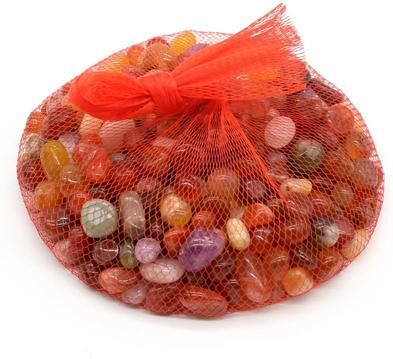
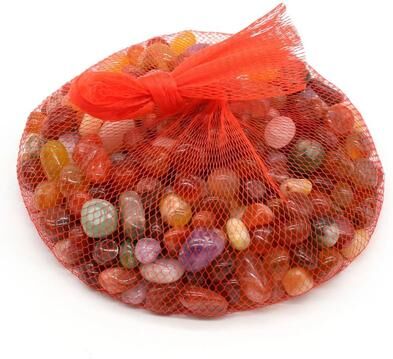
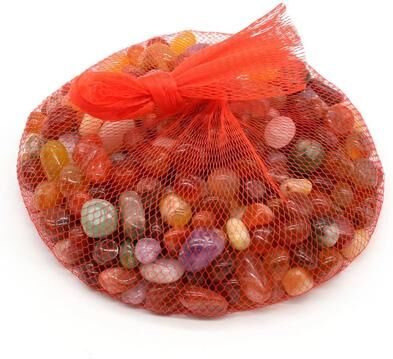
Inspired Finds Natural Rain Flower Stone Pebbles For Aquariums, Plants & Home Decor 8 12mm 50g 1.76ozBring a calming natural touch into your space with these beautiful natural stone pebbles featuring colorful rain flower patterns and smooth polished surfaces. Perfect for fish tanks, potted plants, vases, terrariums, and decorative displays, these...34,99 $*Shipping: 0,00 $Secure redirect to the provider
-
RHS Propagating Plants: How to Create New Plants For Free (New Edition) - Non Fiction - Hardback DKFill your garden with beautiful plants for next-to-nothing Do you long to grow your own plants from scratch? This complete guide from the experts at the RHS will teach you how to propagate every type of plant. If you're a thrifty gardener who wants more plants for free, then this book is perfect for you! From fruit trees and ornamental shrubs to exotic orchids and succulents, get all the info you need to propagate 1,500+ garden plants. Crammed with hundreds of step-by-step tutorials and clear advice, ranging from straightforward and simple to more in-depth and challenging. The rating system in the plant-by-plant A-Z dictionaries provides you with a quick reference to the relative ease or difficulty of each method of propagation. How long do your seedlings need to germinate? What makes a healthy stem cutting? How do you know what type of rootstock to use when grafting plants? Find out the answer to these questions and more in the most comprehensive guide to propagating plants ever published.12,99 £*Shipping: 2,99 £Secure redirect to the provider
-
Inspired Finds Natural Rain Flower Stone Pebbles For Aquariums, Plants & Home Decor 16 20mm 100g 3.53ozBring a calming natural touch into your space with these beautiful natural stone pebbles featuring colorful rain flower patterns and smooth polished surfaces. Perfect for fish tanks, potted plants, vases, terrariums, and decorative displays, these...34,99 $*Shipping: 0,00 $Secure redirect to the provider
-
Inspired Finds Natural Rain Flower Stone Pebbles For Aquariums, Plants & Home Decor 12 16mm 100g 3.53ozBring a calming natural touch into your space with these beautiful natural stone pebbles featuring colorful rain flower patterns and smooth polished surfaces. Perfect for fish tanks, potted plants, vases, terrariums, and decorative displays, these...34,99 $*Shipping: 0,00 $Secure redirect to the provider


-
Which plants are suitable for planting in stone containers?
Plants that are suitable for planting in stone containers are those that prefer well-draining soil and can tolerate the potentially harsh conditions of being in a container. Some suitable plants include succulents, such as jade plants, sedums, and echeverias, as they are adapted to dry conditions and can thrive in the well-draining soil of stone containers. Additionally, herbs like rosemary, thyme, and lavender are also good choices for stone containers, as they prefer well-drained soil and can thrive in the relatively small space of a container. Overall, plants that can thrive in well-draining soil and are adaptable to container gardening are the best choices for stone containers. **
-
Which plants are suitable for planting in stone beds?
Plants that are suitable for planting in stone beds are those that can thrive in well-drained soil and tolerate the harsh conditions often found in rock gardens. Some examples of plants that do well in stone beds include sedums, sempervivums, thyme, lavender, and creeping phlox. These plants are typically low-maintenance, drought-tolerant, and have shallow root systems that can adapt to the limited space and rocky environment of stone beds. **
-
Can you do pottery without using any tools?
It is possible to do pottery without using traditional tools, but it would be quite challenging. While tools such as pottery wheels, carving tools, and shaping tools make the process easier and more precise, it is possible to create pottery using only your hands. This method, known as hand-building, involves shaping the clay using just your hands and fingers. It requires a great deal of skill and patience, but it can result in unique and beautiful pottery pieces. **
-
What are cruciferous plants, mint family plants, and leguminous plants?
Cruciferous plants are a group of vegetables that belong to the Brassicaceae family, including broccoli, cauliflower, cabbage, and kale. Mint family plants, also known as Lamiaceae family, include herbs like mint, basil, rosemary, and oregano. Leguminous plants are members of the Fabaceae family and are known for their ability to fix nitrogen in the soil, including beans, peas, lentils, and peanuts. Each of these plant families includes a variety of edible plants that are commonly used in cooking and gardening. **

Did the Stone Age people first nourish themselves with plants?
Yes, it is believed that the Stone Age people first nourished themselves with plants. Archaeological evidence suggests that early humans were primarily gatherers, relying on a diet of fruits, nuts, seeds, and other plant-based foods. It wasn't until later in the Stone Age that humans began to incorporate meat into their diets through hunting and scavenging. Plant-based foods would have been more readily available and easier to gather, making them a crucial source of nourishment for early humans. **
Which plants?
There are many different types of plants in the world, ranging from flowering plants like roses and tulips to trees like oak and pine. Other common plants include grasses, ferns, succulents, and vegetables like tomatoes and carrots. Each type of plant has unique characteristics and requirements for growth, making them diverse and interesting to study and cultivate. **
Top-Angebote
Products related to Plants:
-
DK RHS Propagating Plants - How To Create New Plants For FreeFill your garden with beautiful plants for next-to-nothing Do you long to grow your own plants from scratch? This complete guide from the experts at the RHS will teach you how to propagate every type of plant. If you're a thrifty gardener who wants more plants for free, then this book is perfect for you! From fruit trees and ornamental shrubs to exotic orchids and succulents, get all the info you need to propagate 1,500+ garden plants. Crammed with hundreds of step-by-step tutorials and clear advice, ranging from straightforward and simple to more in-depth and challenging. The rating system in the plant-by-plant A-Z dictionaries provides you with a quick reference to the relative ease or difficulty of each method of propagation. How long do your seedlings need to germinate? What makes a healthy stem cutting? How do you know what type of rootstock to use when grafting plants? Find out the answer to these questions and more in the most comprehensive guide to propagating plants ever published.9,99 £*Shipping: 2,99 £Secure redirect to the provider
-
Inspired Finds Natural Rain Flower Stone Pebbles For Aquariums, Plants & Home Decor 8 12mm 50g 1.76ozBring a calming natural touch into your space with these beautiful natural stone pebbles featuring colorful rain flower patterns and smooth polished surfaces. Perfect for fish tanks, potted plants, vases, terrariums, and decorative displays, these...34,99 $*Shipping: 0,00 $Secure redirect to the provider
-
RHS Propagating Plants: How to Create New Plants For Free (New Edition) - Non Fiction - Hardback DKFill your garden with beautiful plants for next-to-nothing Do you long to grow your own plants from scratch? This complete guide from the experts at the RHS will teach you how to propagate every type of plant. If you're a thrifty gardener who wants more plants for free, then this book is perfect for you! From fruit trees and ornamental shrubs to exotic orchids and succulents, get all the info you need to propagate 1,500+ garden plants. Crammed with hundreds of step-by-step tutorials and clear advice, ranging from straightforward and simple to more in-depth and challenging. The rating system in the plant-by-plant A-Z dictionaries provides you with a quick reference to the relative ease or difficulty of each method of propagation. How long do your seedlings need to germinate? What makes a healthy stem cutting? How do you know what type of rootstock to use when grafting plants? Find out the answer to these questions and more in the most comprehensive guide to propagating plants ever published.12,99 £*Shipping: 2,99 £Secure redirect to the provider
-
How do you propagate stone plants?
Stone plants, also known as lithops, can be propagated by division. To propagate, carefully remove the lithops from the soil and gently separate the individual plants from the cluster. Allow the separated plants to callous over for a few days to prevent rotting, then plant them in a well-draining soil mix. Water sparingly and provide bright light to encourage new root growth. With proper care, the propagated stone plants should establish and grow into new individual plants. **
-
How are plants cultivated in agriculture in the temperate zone?
In the temperate zone, plants are cultivated in agriculture through a variety of methods. These include crop rotation, where different crops are planted in the same field in successive seasons to improve soil fertility and reduce pests and diseases. Additionally, farmers may use greenhouses or high tunnels to extend the growing season and protect plants from harsh weather. In some cases, irrigation systems are used to ensure that plants receive enough water, especially during dry periods. Finally, farmers may also use technology such as tractors and other machinery to help with planting, harvesting, and other tasks. **
-
Which plants are suitable for planting in stone containers?
Plants that are suitable for planting in stone containers are those that prefer well-draining soil and can tolerate the potentially harsh conditions of being in a container. Some suitable plants include succulents, such as jade plants, sedums, and echeverias, as they are adapted to dry conditions and can thrive in the well-draining soil of stone containers. Additionally, herbs like rosemary, thyme, and lavender are also good choices for stone containers, as they prefer well-drained soil and can thrive in the relatively small space of a container. Overall, plants that can thrive in well-draining soil and are adaptable to container gardening are the best choices for stone containers. **
-
Which plants are suitable for planting in stone beds?
Plants that are suitable for planting in stone beds are those that can thrive in well-drained soil and tolerate the harsh conditions often found in rock gardens. Some examples of plants that do well in stone beds include sedums, sempervivums, thyme, lavender, and creeping phlox. These plants are typically low-maintenance, drought-tolerant, and have shallow root systems that can adapt to the limited space and rocky environment of stone beds. **
Similar search terms for Plants
-
Inspired Finds Natural Rain Flower Stone Pebbles For Aquariums, Plants & Home Decor 16 20mm 100g 3.53ozBring a calming natural touch into your space with these beautiful natural stone pebbles featuring colorful rain flower patterns and smooth polished surfaces. Perfect for fish tanks, potted plants, vases, terrariums, and decorative displays, these...34,99 $*Shipping: 0,00 $Secure redirect to the provider
-
Inspired Finds Natural Rain Flower Stone Pebbles For Aquariums, Plants & Home Decor 12 16mm 100g 3.53ozBring a calming natural touch into your space with these beautiful natural stone pebbles featuring colorful rain flower patterns and smooth polished surfaces. Perfect for fish tanks, potted plants, vases, terrariums, and decorative displays, these...34,99 $*Shipping: 0,00 $Secure redirect to the provider
-
Inspired Finds Natural Rain Flower Stone Pebbles For Aquariums, Plants & Home Decor 20 30mm 100g 3.53ozBring a calming natural touch into your space with these beautiful natural stone pebbles featuring colorful rain flower patterns and smooth polished surfaces. Perfect for fish tanks, potted plants, vases, terrariums, and decorative displays, these...34,99 $*Shipping: 0,00 $Secure redirect to the provider
-
Inspired Finds Natural Rain Flower Stone Pebbles For Aquariums, Plants & Home Decor 12 16mm 50g 1.76ozBring a calming natural touch into your space with these beautiful natural stone pebbles featuring colorful rain flower patterns and smooth polished surfaces. Perfect for fish tanks, potted plants, vases, terrariums, and decorative displays, these...34,99 $*Shipping: 0,00 $Secure redirect to the provider
-
Can you do pottery without using any tools?
It is possible to do pottery without using traditional tools, but it would be quite challenging. While tools such as pottery wheels, carving tools, and shaping tools make the process easier and more precise, it is possible to create pottery using only your hands. This method, known as hand-building, involves shaping the clay using just your hands and fingers. It requires a great deal of skill and patience, but it can result in unique and beautiful pottery pieces. **
-
What are cruciferous plants, mint family plants, and leguminous plants?
Cruciferous plants are a group of vegetables that belong to the Brassicaceae family, including broccoli, cauliflower, cabbage, and kale. Mint family plants, also known as Lamiaceae family, include herbs like mint, basil, rosemary, and oregano. Leguminous plants are members of the Fabaceae family and are known for their ability to fix nitrogen in the soil, including beans, peas, lentils, and peanuts. Each of these plant families includes a variety of edible plants that are commonly used in cooking and gardening. **
-
Did the Stone Age people first nourish themselves with plants?
Yes, it is believed that the Stone Age people first nourished themselves with plants. Archaeological evidence suggests that early humans were primarily gatherers, relying on a diet of fruits, nuts, seeds, and other plant-based foods. It wasn't until later in the Stone Age that humans began to incorporate meat into their diets through hunting and scavenging. Plant-based foods would have been more readily available and easier to gather, making them a crucial source of nourishment for early humans. **
-
Which plants?
There are many different types of plants in the world, ranging from flowering plants like roses and tulips to trees like oak and pine. Other common plants include grasses, ferns, succulents, and vegetables like tomatoes and carrots. Each type of plant has unique characteristics and requirements for growth, making them diverse and interesting to study and cultivate. **
* All prices are inclusive of VAT and, if applicable, plus shipping costs. The offer information is based on the details provided by the respective shop and is updated through automated processes. Real-time updates do not occur, so deviations can occur in individual cases. ** Note: Parts of this content were created by AI.