Buy neolithique.eu ?
We are moving the project
neolithique.eu .
Are you interested in purchasing the domain
neolithique.eu ?
domain@kv-gmbh.de · 0541-91531010
Buy neolithique.eu ?
How do you obtain embryonic stem cells?
Embryonic stem cells are typically obtained from unused embryos that are donated from in vitro fertilization clinics. These embryos are usually created for reproductive purposes but are no longer needed and are donated with consent. The stem cells are then extracted from the inner cell mass of the embryo, which is a cluster of cells that has the potential to develop into any type of cell in the body. This process is done in a laboratory setting under strict ethical guidelines and regulations. **
Are embryonic stem cells totipotent or pluripotent?
Embryonic stem cells are considered pluripotent, meaning they have the ability to differentiate into many different cell types, but not all cell types in the body. Totipotent cells, on the other hand, have the ability to differentiate into all cell types in the body as well as extraembryonic tissues. Therefore, while embryonic stem cells have a high potential for differentiation, they are not considered totipotent. **

Similar search terms for Embryonic
Top-Angebote
Products related to Embryonic:
-
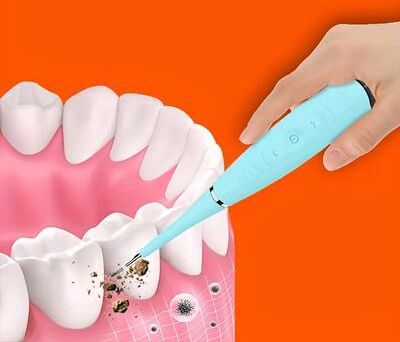
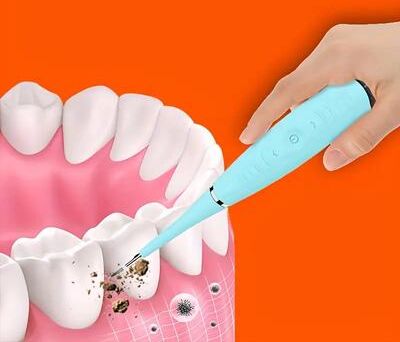
Youfap Market Home Dental Care Tools, Electric Teeth Cleaner, Teeth Stone Remover pinkEffective Teeth Cleaning with Electric Teeth Cleaner This Electric Teeth Cleaner is designed to help you maintain a healthy and bright smile. Its an advanced tool that removes stubborn teeth stones and tartar buildup from the comfort of your own...34,97 $*Shipping: 0,00 $Secure redirect to the provider
-
Healfit Counter Home Dental Care Tools, Electric Teeth Cleaner, Teeth Instrument, Teeth Stone Remover pinkMaintain a healthy, confident smile effortlessly with our Electric Teeth Cleaner, a musthave home dental care tool designed to remove stubborn teeth stones and plaque effectively. Powered by advanced sonic technology, this innovative teeth...21,97 $*Shipping: 0,00 $Secure redirect to the provider


-
How does the embryonic development proceed in amphibians?
In amphibians, embryonic development begins with the fertilization of the egg by the sperm. The zygote then undergoes cleavage, a series of rapid cell divisions, to form a hollow ball of cells called a blastula. The blastula then undergoes gastrulation, during which the cells rearrange to form three germ layers: ectoderm, mesoderm, and endoderm. These germ layers give rise to different tissues and organs in the developing embryo. Finally, the embryo undergoes organogenesis, during which the major organs and body structures begin to form. This process ultimately leads to the development of a tadpole, which will eventually undergo metamorphosis to become a mature amphibian. **
-
What two clues does the embryonic circulation provide about evolution?
The embryonic circulation provides two important clues about evolution. First, it shows the common ancestry of all vertebrates, as the early embryonic circulation patterns are similar across different species. This suggests that these patterns have been conserved throughout evolution. Second, the embryonic circulation also provides evidence of evolutionary changes, as different species may exhibit variations in the timing and development of their circulatory systems. These variations can provide insights into the evolutionary adaptations that have occurred over time. **
-
Can you do pottery without using any tools?
It is possible to do pottery without using traditional tools, but it would be quite challenging. While tools such as pottery wheels, carving tools, and shaping tools make the process easier and more precise, it is possible to create pottery using only your hands. This method, known as hand-building, involves shaping the clay using just your hands and fingers. It requires a great deal of skill and patience, but it can result in unique and beautiful pottery pieces. **
-
Why is the period of de novo methylation a critical phase in the course of embryonic development?
The period of de novo methylation is a critical phase in embryonic development because it is during this time that the genome undergoes extensive epigenetic reprogramming. De novo methylation plays a crucial role in regulating gene expression and establishing cell identity. Any errors or disruptions in this process can lead to developmental abnormalities and diseases. Therefore, the precise control of de novo methylation is essential for proper embryonic development and the formation of different cell types and tissues. **


Why does the period of de novo methylation represent a critical phase in the course of embryonic development?
The period of de novo methylation is critical in embryonic development because it is when the genome undergoes extensive epigenetic modifications that are essential for regulating gene expression and cell differentiation. These modifications help establish cell identity and determine the fate of cells as they develop into different tissues and organs. Disruption of de novo methylation during this period can lead to developmental abnormalities and diseases. Therefore, proper regulation of de novo methylation is crucial for normal embryonic development. **
What are the differences between embryonic stem cells, omnipotent stem cells, adult stem cells, totipotent stem cells, and multipotent stem cells?
Embryonic stem cells are derived from embryos and have the potential to develop into any type of cell in the body. Omnipotent stem cells, also known as pluripotent stem cells, are similar to embryonic stem cells in that they can differentiate into any type of cell, but they are derived from adult tissues. Adult stem cells are found in various tissues and have the ability to differentiate into a limited range of cell types. Totipotent stem cells have the highest potential for differentiation and can develop into any type of cell, as well as into extraembryonic tissues such as the placenta. Multipotent stem cells can differentiate into a limited number of cell types, typically within a specific tissue or organ. **
Top-Angebote
Products related to Embryonic:
-
Touch of Class Native Artifacts Wall Sculpture Multi Earth , Multi EarthNative Artifacts, including three vases, a charger, and a bowl, reflect the spirit of the Southwest. This handcrafted Southwest metal wall sculpture, by JasonW Studios (C)2017, has openwork designs, a geometric border, and textured, earth-tone...329,00 $*Shipping: 46,06 $Secure redirect to the provider
-
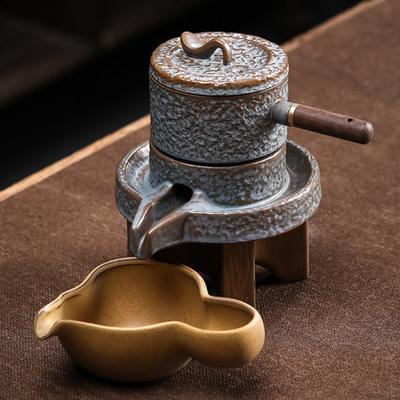
Rare Purchases Rotating Water Teapot, Automatic Stone Mill Pottery Lazy Stone Grinding Tea Set, Tea Maker For Ceremony, Home Office bAutomatic StoneMill Pottery Lazy Stone Grinding Tea Set is the perfect blend of tradition and innovation, designed to enhance your tea experience with elegance and ease. This rotating water teapot and tea maker is not just a functional tool but a...109,97 $*Shipping: 0,00 $Secure redirect to the provider
-
Youfap Market Home Dental Care Tools, Electric Teeth Cleaner, Teeth Stone Remover pinkEffective Teeth Cleaning with Electric Teeth Cleaner This Electric Teeth Cleaner is designed to help you maintain a healthy and bright smile. Its an advanced tool that removes stubborn teeth stones and tartar buildup from the comfort of your own...34,97 $*Shipping: 0,00 $Secure redirect to the provider
-
Healfit Counter Home Dental Care Tools, Electric Teeth Cleaner, Teeth Instrument, Teeth Stone Remover pinkMaintain a healthy, confident smile effortlessly with our Electric Teeth Cleaner, a musthave home dental care tool designed to remove stubborn teeth stones and plaque effectively. Powered by advanced sonic technology, this innovative teeth...21,97 $*Shipping: 0,00 $Secure redirect to the provider
-
How do you obtain embryonic stem cells?
Embryonic stem cells are typically obtained from unused embryos that are donated from in vitro fertilization clinics. These embryos are usually created for reproductive purposes but are no longer needed and are donated with consent. The stem cells are then extracted from the inner cell mass of the embryo, which is a cluster of cells that has the potential to develop into any type of cell in the body. This process is done in a laboratory setting under strict ethical guidelines and regulations. **
-
Are embryonic stem cells totipotent or pluripotent?
Embryonic stem cells are considered pluripotent, meaning they have the ability to differentiate into many different cell types, but not all cell types in the body. Totipotent cells, on the other hand, have the ability to differentiate into all cell types in the body as well as extraembryonic tissues. Therefore, while embryonic stem cells have a high potential for differentiation, they are not considered totipotent. **
-
How does the embryonic development proceed in amphibians?
In amphibians, embryonic development begins with the fertilization of the egg by the sperm. The zygote then undergoes cleavage, a series of rapid cell divisions, to form a hollow ball of cells called a blastula. The blastula then undergoes gastrulation, during which the cells rearrange to form three germ layers: ectoderm, mesoderm, and endoderm. These germ layers give rise to different tissues and organs in the developing embryo. Finally, the embryo undergoes organogenesis, during which the major organs and body structures begin to form. This process ultimately leads to the development of a tadpole, which will eventually undergo metamorphosis to become a mature amphibian. **
-
What two clues does the embryonic circulation provide about evolution?
The embryonic circulation provides two important clues about evolution. First, it shows the common ancestry of all vertebrates, as the early embryonic circulation patterns are similar across different species. This suggests that these patterns have been conserved throughout evolution. Second, the embryonic circulation also provides evidence of evolutionary changes, as different species may exhibit variations in the timing and development of their circulatory systems. These variations can provide insights into the evolutionary adaptations that have occurred over time. **
Similar search terms for Embryonic
-
Karma Harper Bar Tools Karma Harper Glass Bar ToolsOur Harper Bar Tools are the backbone to any great bar cart. Including one long-neck stirring spoon, bottle opener and duel-sided jigger, this set is the perfect start to building a collection of cocktail basics.44,00 $*Shipping: 0,00 $Secure redirect to the provider
-
Rare Purchases Rotating Water Teapot, Automatic Stone Mill Pottery Lazy Stone Grinding Tea Set, Tea Maker For Ceremony, Home Office aAutomatic StoneMill Pottery Lazy Stone Grinding Tea Set is the perfect blend of tradition and innovation, designed to enhance your tea experience with elegance and ease. This rotating water teapot and tea maker is not just a functional tool but a...109,97 $*Shipping: 0,00 $Secure redirect to the provider
-
Can you do pottery without using any tools?
It is possible to do pottery without using traditional tools, but it would be quite challenging. While tools such as pottery wheels, carving tools, and shaping tools make the process easier and more precise, it is possible to create pottery using only your hands. This method, known as hand-building, involves shaping the clay using just your hands and fingers. It requires a great deal of skill and patience, but it can result in unique and beautiful pottery pieces. **
-
Why is the period of de novo methylation a critical phase in the course of embryonic development?
The period of de novo methylation is a critical phase in embryonic development because it is during this time that the genome undergoes extensive epigenetic reprogramming. De novo methylation plays a crucial role in regulating gene expression and establishing cell identity. Any errors or disruptions in this process can lead to developmental abnormalities and diseases. Therefore, the precise control of de novo methylation is essential for proper embryonic development and the formation of different cell types and tissues. **
-
Why does the period of de novo methylation represent a critical phase in the course of embryonic development?
The period of de novo methylation is critical in embryonic development because it is when the genome undergoes extensive epigenetic modifications that are essential for regulating gene expression and cell differentiation. These modifications help establish cell identity and determine the fate of cells as they develop into different tissues and organs. Disruption of de novo methylation during this period can lead to developmental abnormalities and diseases. Therefore, proper regulation of de novo methylation is crucial for normal embryonic development. **
-
What are the differences between embryonic stem cells, omnipotent stem cells, adult stem cells, totipotent stem cells, and multipotent stem cells?
Embryonic stem cells are derived from embryos and have the potential to develop into any type of cell in the body. Omnipotent stem cells, also known as pluripotent stem cells, are similar to embryonic stem cells in that they can differentiate into any type of cell, but they are derived from adult tissues. Adult stem cells are found in various tissues and have the ability to differentiate into a limited range of cell types. Totipotent stem cells have the highest potential for differentiation and can develop into any type of cell, as well as into extraembryonic tissues such as the placenta. Multipotent stem cells can differentiate into a limited number of cell types, typically within a specific tissue or organ. **
* All prices are inclusive of VAT and, if applicable, plus shipping costs. The offer information is based on the details provided by the respective shop and is updated through automated processes. Real-time updates do not occur, so deviations can occur in individual cases. ** Note: Parts of this content were created by AI.