Buy neolithique.eu ?
We are moving the project
neolithique.eu .
Are you interested in purchasing the domain
neolithique.eu ?
domain@kv-gmbh.de · 0541-91531010
Buy neolithique.eu ?
How are eudaimonia and daimonion connected in Socrates' philosophy?
In Socrates' philosophy, eudaimonia refers to human flourishing or living a fulfilling life. Daimonion, on the other hand, refers to a divine sign or inner voice that guides individuals towards what is right and virtuous. Socrates believed that following one's daimonion would lead to eudaimonia, as it would guide individuals towards living a virtuous and fulfilling life. Therefore, the connection between eudaimonia and daimonion lies in the belief that following one's inner divine sign will ultimately lead to a flourishing and fulfilling life. **
What are the differences and similarities between eudaimonia and deontology?
Eudaimonia and deontology are both ethical theories, but they differ in their approach. Eudaimonia, often associated with Aristotle, focuses on the concept of human flourishing and living a virtuous life to achieve happiness. Deontology, on the other hand, is a moral theory that emphasizes the importance of following rules and duties to determine what is right or wrong, regardless of the consequences. Both theories aim to guide individuals in making ethical decisions, but eudaimonia is more focused on the overall well-being and character development of a person, while deontology is more concerned with the principles and duties that should be followed in moral decision-making. **
Similar search terms for Eudaimonia
Top-Angebote
Products related to Eudaimonia:
-
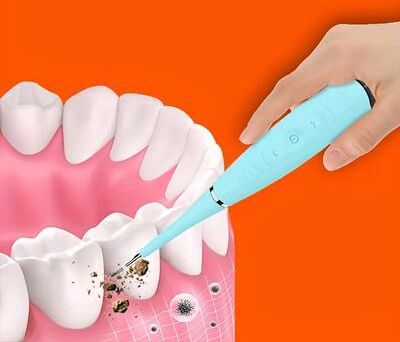
Youfap Market Home Dental Care Tools, Electric Teeth Cleaner, Teeth Stone Remover pinkEffective Teeth Cleaning with Electric Teeth Cleaner This Electric Teeth Cleaner is designed to help you maintain a healthy and bright smile. Its an advanced tool that removes stubborn teeth stones and tartar buildup from the comfort of your own...34,97 $*Shipping: 0,00 $Secure redirect to the provider


-
How are reason, language, and eudaimonia connected according to Aristotle?
According to Aristotle, reason, language, and eudaimonia are interconnected in the pursuit of human flourishing. Reason allows humans to engage in rational thought and make choices that lead to a virtuous and fulfilling life. Language enables individuals to communicate and express their thoughts, allowing for the sharing of knowledge and the development of moral virtues. Eudaimonia, or human flourishing, is achieved through the cultivation of virtues and the use of reason to make choices that lead to a life of purpose and fulfillment. Therefore, reason and language are essential tools in the pursuit of eudaimonia, as they enable individuals to develop and express their moral virtues and make choices that lead to a flourishing life. **
-
How are eudaimonia and daimonion related in the philosophy of Socrates?
In the philosophy of Socrates, eudaimonia refers to human flourishing or living a life of virtue and excellence. Daimonion, on the other hand, refers to the inner voice or guiding spirit that Socrates believed was a divine sign guiding him towards moral decisions. Socrates believed that following the guidance of his daimonion would lead to eudaimonia, as it would help him make virtuous choices and live a life in accordance with reason and moral principles. Thus, the relationship between eudaimonia and daimonion in Socrates' philosophy is that following the inner voice of daimonion is essential for achieving eudaimonia or human flourishing. **
-
How are Eudaimonia and Daimonion related in the philosophy of Socrates?
In the philosophy of Socrates, Eudaimonia refers to human flourishing or living a life of fulfillment and happiness. Daimonion, on the other hand, refers to the inner voice or guiding spirit that Socrates believed each person possessed. Socrates believed that by following one's daimonion and living a virtuous life, one could achieve eudaimonia. Therefore, the relationship between Eudaimonia and Daimonion in Socrates' philosophy is that by listening to and following one's inner voice or daimonion, one can achieve a state of eudaimonia or true happiness and fulfillment. **
-
How can one best differentiate between happiness, bliss, and eudaimonia according to Aristotle?
According to Aristotle, happiness (eudaimonia) is the ultimate goal of human life and is achieved through the cultivation of virtue and the fulfillment of one's potential. Bliss, on the other hand, is a state of extreme joy or contentment, often temporary and dependent on external circumstances. To differentiate between the two, one must consider that happiness is a more enduring and holistic state, encompassing a sense of fulfillment and purpose, while bliss is a fleeting emotional experience. Ultimately, Aristotle's concept of eudaimonia emphasizes the importance of living a virtuous and meaningful life, which goes beyond mere pleasure or temporary joy. **


Can you do pottery without using any tools?
It is possible to do pottery without using traditional tools, but it would be quite challenging. While tools such as pottery wheels, carving tools, and shaping tools make the process easier and more precise, it is possible to create pottery using only your hands. This method, known as hand-building, involves shaping the clay using just your hands and fingers. It requires a great deal of skill and patience, but it can result in unique and beautiful pottery pieces. **
Why, according to Aristotle, is happiness (Eudaimonia) not equivalent to having good luck (Eutychia)?
According to Aristotle, happiness (Eudaimonia) is not equivalent to having good luck (Eutychia) because happiness is a state of being that is achieved through virtuous actions and living a life in accordance with reason and moral virtue. Good luck, on the other hand, is external and based on chance or circumstances beyond one's control. Aristotle believed that true happiness comes from within and is the result of living a life of virtue, rather than relying on external factors like luck. **
Top-Angebote
Products related to Eudaimonia:
-
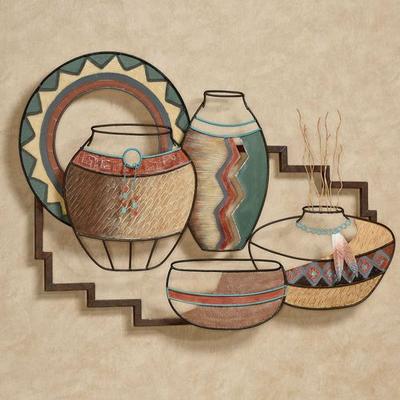
Touch of Class Native Artifacts Wall Sculpture Multi Earth , Multi EarthNative Artifacts, including three vases, a charger, and a bowl, reflect the spirit of the Southwest. This handcrafted Southwest metal wall sculpture, by JasonW Studios (C)2017, has openwork designs, a geometric border, and textured, earth-tone...329,00 $*Shipping: 46,06 $Secure redirect to the provider
-
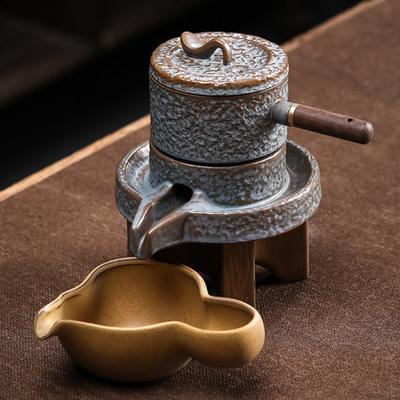
Rare Purchases Rotating Water Teapot, Automatic Stone Mill Pottery Lazy Stone Grinding Tea Set, Tea Maker For Ceremony, Home Office bAutomatic StoneMill Pottery Lazy Stone Grinding Tea Set is the perfect blend of tradition and innovation, designed to enhance your tea experience with elegance and ease. This rotating water teapot and tea maker is not just a functional tool but a...109,97 $*Shipping: 0,00 $Secure redirect to the provider
-
Youfap Market Home Dental Care Tools, Electric Teeth Cleaner, Teeth Stone Remover pinkEffective Teeth Cleaning with Electric Teeth Cleaner This Electric Teeth Cleaner is designed to help you maintain a healthy and bright smile. Its an advanced tool that removes stubborn teeth stones and tartar buildup from the comfort of your own...34,97 $*Shipping: 0,00 $Secure redirect to the provider
-
How are eudaimonia and daimonion connected in Socrates' philosophy?
In Socrates' philosophy, eudaimonia refers to human flourishing or living a fulfilling life. Daimonion, on the other hand, refers to a divine sign or inner voice that guides individuals towards what is right and virtuous. Socrates believed that following one's daimonion would lead to eudaimonia, as it would guide individuals towards living a virtuous and fulfilling life. Therefore, the connection between eudaimonia and daimonion lies in the belief that following one's inner divine sign will ultimately lead to a flourishing and fulfilling life. **
-
What are the differences and similarities between eudaimonia and deontology?
Eudaimonia and deontology are both ethical theories, but they differ in their approach. Eudaimonia, often associated with Aristotle, focuses on the concept of human flourishing and living a virtuous life to achieve happiness. Deontology, on the other hand, is a moral theory that emphasizes the importance of following rules and duties to determine what is right or wrong, regardless of the consequences. Both theories aim to guide individuals in making ethical decisions, but eudaimonia is more focused on the overall well-being and character development of a person, while deontology is more concerned with the principles and duties that should be followed in moral decision-making. **
-
How are reason, language, and eudaimonia connected according to Aristotle?
According to Aristotle, reason, language, and eudaimonia are interconnected in the pursuit of human flourishing. Reason allows humans to engage in rational thought and make choices that lead to a virtuous and fulfilling life. Language enables individuals to communicate and express their thoughts, allowing for the sharing of knowledge and the development of moral virtues. Eudaimonia, or human flourishing, is achieved through the cultivation of virtues and the use of reason to make choices that lead to a life of purpose and fulfillment. Therefore, reason and language are essential tools in the pursuit of eudaimonia, as they enable individuals to develop and express their moral virtues and make choices that lead to a flourishing life. **
-
How are eudaimonia and daimonion related in the philosophy of Socrates?
In the philosophy of Socrates, eudaimonia refers to human flourishing or living a life of virtue and excellence. Daimonion, on the other hand, refers to the inner voice or guiding spirit that Socrates believed was a divine sign guiding him towards moral decisions. Socrates believed that following the guidance of his daimonion would lead to eudaimonia, as it would help him make virtuous choices and live a life in accordance with reason and moral principles. Thus, the relationship between eudaimonia and daimonion in Socrates' philosophy is that following the inner voice of daimonion is essential for achieving eudaimonia or human flourishing. **
Similar search terms for Eudaimonia
-
How are Eudaimonia and Daimonion related in the philosophy of Socrates?
In the philosophy of Socrates, Eudaimonia refers to human flourishing or living a life of fulfillment and happiness. Daimonion, on the other hand, refers to the inner voice or guiding spirit that Socrates believed each person possessed. Socrates believed that by following one's daimonion and living a virtuous life, one could achieve eudaimonia. Therefore, the relationship between Eudaimonia and Daimonion in Socrates' philosophy is that by listening to and following one's inner voice or daimonion, one can achieve a state of eudaimonia or true happiness and fulfillment. **
-
How can one best differentiate between happiness, bliss, and eudaimonia according to Aristotle?
According to Aristotle, happiness (eudaimonia) is the ultimate goal of human life and is achieved through the cultivation of virtue and the fulfillment of one's potential. Bliss, on the other hand, is a state of extreme joy or contentment, often temporary and dependent on external circumstances. To differentiate between the two, one must consider that happiness is a more enduring and holistic state, encompassing a sense of fulfillment and purpose, while bliss is a fleeting emotional experience. Ultimately, Aristotle's concept of eudaimonia emphasizes the importance of living a virtuous and meaningful life, which goes beyond mere pleasure or temporary joy. **
-
Can you do pottery without using any tools?
It is possible to do pottery without using traditional tools, but it would be quite challenging. While tools such as pottery wheels, carving tools, and shaping tools make the process easier and more precise, it is possible to create pottery using only your hands. This method, known as hand-building, involves shaping the clay using just your hands and fingers. It requires a great deal of skill and patience, but it can result in unique and beautiful pottery pieces. **
-
Why, according to Aristotle, is happiness (Eudaimonia) not equivalent to having good luck (Eutychia)?
According to Aristotle, happiness (Eudaimonia) is not equivalent to having good luck (Eutychia) because happiness is a state of being that is achieved through virtuous actions and living a life in accordance with reason and moral virtue. Good luck, on the other hand, is external and based on chance or circumstances beyond one's control. Aristotle believed that true happiness comes from within and is the result of living a life of virtue, rather than relying on external factors like luck. **
* All prices are inclusive of VAT and, if applicable, plus shipping costs. The offer information is based on the details provided by the respective shop and is updated through automated processes. Real-time updates do not occur, so deviations can occur in individual cases. ** Note: Parts of this content were created by AI.