Buy neolithique.eu ?
We are moving the project
neolithique.eu .
Are you interested in purchasing the domain
neolithique.eu ?
domain@kv-gmbh.de · 0541-91531010
Buy neolithique.eu ?
What does isometry mean in art?
Isometry in art refers to the use of geometric shapes and forms that maintain their size and shape regardless of their position or orientation in space. This technique creates a sense of balance, harmony, and stability in the artwork. Isometric art often features precise, straight lines and angles, and is commonly used in architectural drawings, technical illustrations, and graphic design to convey a sense of accuracy and order. **
How is a standardized isometry correctly drawn?
A standardized isometry is correctly drawn by following specific guidelines. First, ensure that all three axes (x, y, z) are drawn at 120-degree angles to each other. Next, draw the object or shape in question with accurate proportions and angles, making sure to maintain the 120-degree relationship between the axes. Finally, label the axes and any important points or dimensions to clearly communicate the isometric view. By following these steps, a standardized isometry can be accurately and effectively drawn. **

Similar search terms for Isometry
Top-Angebote
Products related to Isometry:
-
Youfap Market Home Dental Care Tools, Electric Teeth Cleaner, Teeth Stone Remover pinkEffective Teeth Cleaning with Electric Teeth Cleaner This Electric Teeth Cleaner is designed to help you maintain a healthy and bright smile. Its an advanced tool that removes stubborn teeth stones and tartar buildup from the comfort of your own...34,97 $*Shipping: 0,00 $Secure redirect to the provider
-
Healfit Counter Home Dental Care Tools, Electric Teeth Cleaner, Teeth Instrument, Teeth Stone Remover pinkMaintain a healthy, confident smile effortlessly with our Electric Teeth Cleaner, a musthave home dental care tool designed to remove stubborn teeth stones and plaque effectively. Powered by advanced sonic technology, this innovative teeth...21,97 $*Shipping: 0,00 $Secure redirect to the provider



-
What is an isometry with non-orthogonal corners?
An isometry with non-orthogonal corners is a transformation that preserves distances and angles, but the corners of the shape are not at right angles to each other. This means that the shape is still congruent to its original form after the transformation, but the angles at the corners are not 90 degrees. Isometries with non-orthogonal corners can include rotations, reflections, translations, and glide reflections. These transformations are important in geometry and can be used to study the properties of shapes and figures. **
-
What is an isometry with non-orthogonal vertices?
An isometry with non-orthogonal vertices is a transformation that preserves distances and angles between points, but the vertices are not at right angles to each other. This means that the shape is still congruent to its original form, but the angles between the edges are not necessarily 90 degrees. Isometries with non-orthogonal vertices can include translations, rotations, reflections, and glide reflections. These transformations are important in geometry and can help us understand the properties of shapes in different orientations. **
-
What is the difference between axonometry and isometry?
Axonometry and isometry are both methods used in technical and engineering drawing to represent three-dimensional objects on a two-dimensional surface. The main difference between the two is that axonometry is a type of parallel projection, where all the lines of the object remain parallel in the drawing, while isometry is a specific type of axonometric projection where the object is represented with equal foreshortening along all three axes. In other words, isometry maintains the same scale in all three dimensions, while axonometry in general does not. **
-
Is the task for isometry with 3 board projections correct?
Yes, the task for isometry with 3 board projections is correct. Isometry refers to a transformation that preserves the distance between points, and using 3 board projections can help to accurately capture the spatial relationships and distances between points in a three-dimensional space. By using multiple board projections, it is possible to ensure that the isometry is accurately represented in the transformation process. **

Can you do pottery without using any tools?
It is possible to do pottery without using traditional tools, but it would be quite challenging. While tools such as pottery wheels, carving tools, and shaping tools make the process easier and more precise, it is possible to create pottery using only your hands. This method, known as hand-building, involves shaping the clay using just your hands and fingers. It requires a great deal of skill and patience, but it can result in unique and beautiful pottery pieces. **
What tools were there in the Stone Age?
During the Stone Age, tools were primarily made from materials such as stone, bone, and wood. Some common tools included hand axes, knives, scrapers, and spear points. These tools were used for hunting, gathering, and various other tasks necessary for survival. The development of these tools marked a significant advancement in early human societies. **
Top-Angebote
Products related to Isometry:
-
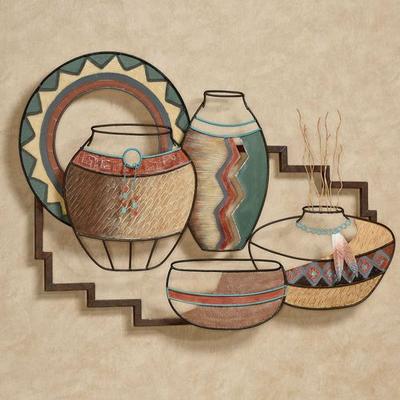
Touch of Class Native Artifacts Wall Sculpture Multi Earth , Multi EarthNative Artifacts, including three vases, a charger, and a bowl, reflect the spirit of the Southwest. This handcrafted Southwest metal wall sculpture, by JasonW Studios (C)2017, has openwork designs, a geometric border, and textured, earth-tone...329,00 $*Shipping: 46,06 $Secure redirect to the provider
-
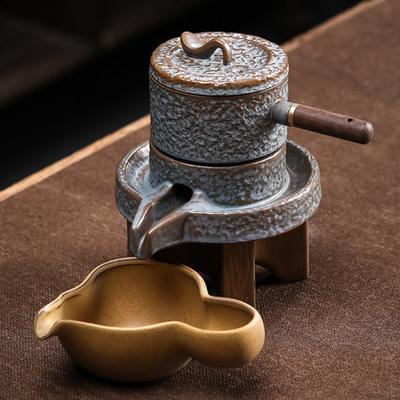
Rare Purchases Rotating Water Teapot, Automatic Stone Mill Pottery Lazy Stone Grinding Tea Set, Tea Maker For Ceremony, Home Office aAutomatic StoneMill Pottery Lazy Stone Grinding Tea Set is the perfect blend of tradition and innovation, designed to enhance your tea experience with elegance and ease. This rotating water teapot and tea maker is not just a functional tool but a...109,97 $*Shipping: 0,00 $Secure redirect to the provider
-
Youfap Market Home Dental Care Tools, Electric Teeth Cleaner, Teeth Stone Remover pinkEffective Teeth Cleaning with Electric Teeth Cleaner This Electric Teeth Cleaner is designed to help you maintain a healthy and bright smile. Its an advanced tool that removes stubborn teeth stones and tartar buildup from the comfort of your own...34,97 $*Shipping: 0,00 $Secure redirect to the provider
-
What does isometry mean in art?
Isometry in art refers to the use of geometric shapes and forms that maintain their size and shape regardless of their position or orientation in space. This technique creates a sense of balance, harmony, and stability in the artwork. Isometric art often features precise, straight lines and angles, and is commonly used in architectural drawings, technical illustrations, and graphic design to convey a sense of accuracy and order. **
-
How is a standardized isometry correctly drawn?
A standardized isometry is correctly drawn by following specific guidelines. First, ensure that all three axes (x, y, z) are drawn at 120-degree angles to each other. Next, draw the object or shape in question with accurate proportions and angles, making sure to maintain the 120-degree relationship between the axes. Finally, label the axes and any important points or dimensions to clearly communicate the isometric view. By following these steps, a standardized isometry can be accurately and effectively drawn. **
-
What is an isometry with non-orthogonal corners?
An isometry with non-orthogonal corners is a transformation that preserves distances and angles, but the corners of the shape are not at right angles to each other. This means that the shape is still congruent to its original form after the transformation, but the angles at the corners are not 90 degrees. Isometries with non-orthogonal corners can include rotations, reflections, translations, and glide reflections. These transformations are important in geometry and can be used to study the properties of shapes and figures. **
-
What is an isometry with non-orthogonal vertices?
An isometry with non-orthogonal vertices is a transformation that preserves distances and angles between points, but the vertices are not at right angles to each other. This means that the shape is still congruent to its original form, but the angles between the edges are not necessarily 90 degrees. Isometries with non-orthogonal vertices can include translations, rotations, reflections, and glide reflections. These transformations are important in geometry and can help us understand the properties of shapes in different orientations. **
Similar search terms for Isometry
-
Healfit Counter Home Dental Care Tools, Electric Teeth Cleaner, Teeth Instrument, Teeth Stone Remover pinkMaintain a healthy, confident smile effortlessly with our Electric Teeth Cleaner, a musthave home dental care tool designed to remove stubborn teeth stones and plaque effectively. Powered by advanced sonic technology, this innovative teeth...21,97 $*Shipping: 0,00 $Secure redirect to the provider
-
Rare Purchases Rotating Water Teapot, Automatic Stone Mill Pottery Lazy Stone Grinding Tea Set, Tea Maker For Ceremony, Home Office bAutomatic StoneMill Pottery Lazy Stone Grinding Tea Set is the perfect blend of tradition and innovation, designed to enhance your tea experience with elegance and ease. This rotating water teapot and tea maker is not just a functional tool but a...109,97 $*Shipping: 0,00 $Secure redirect to the provider
-
What is the difference between axonometry and isometry?
Axonometry and isometry are both methods used in technical and engineering drawing to represent three-dimensional objects on a two-dimensional surface. The main difference between the two is that axonometry is a type of parallel projection, where all the lines of the object remain parallel in the drawing, while isometry is a specific type of axonometric projection where the object is represented with equal foreshortening along all three axes. In other words, isometry maintains the same scale in all three dimensions, while axonometry in general does not. **
-
Is the task for isometry with 3 board projections correct?
Yes, the task for isometry with 3 board projections is correct. Isometry refers to a transformation that preserves the distance between points, and using 3 board projections can help to accurately capture the spatial relationships and distances between points in a three-dimensional space. By using multiple board projections, it is possible to ensure that the isometry is accurately represented in the transformation process. **
-
Can you do pottery without using any tools?
It is possible to do pottery without using traditional tools, but it would be quite challenging. While tools such as pottery wheels, carving tools, and shaping tools make the process easier and more precise, it is possible to create pottery using only your hands. This method, known as hand-building, involves shaping the clay using just your hands and fingers. It requires a great deal of skill and patience, but it can result in unique and beautiful pottery pieces. **
-
What tools were there in the Stone Age?
During the Stone Age, tools were primarily made from materials such as stone, bone, and wood. Some common tools included hand axes, knives, scrapers, and spear points. These tools were used for hunting, gathering, and various other tasks necessary for survival. The development of these tools marked a significant advancement in early human societies. **
* All prices are inclusive of VAT and, if applicable, plus shipping costs. The offer information is based on the details provided by the respective shop and is updated through automated processes. Real-time updates do not occur, so deviations can occur in individual cases. ** Note: Parts of this content were created by AI.