Buy neolithique.eu ?
We are moving the project
neolithique.eu .
Are you interested in purchasing the domain
neolithique.eu ?
domain@kv-gmbh.de · 0541-91531010
Buy neolithique.eu ?
What do 'watashi' and 'konnichiwa' mean?
'Watashi' means 'I' or 'me' in Japanese and is a common way to refer to oneself. 'Konnichiwa' is a greeting in Japanese that is used during the daytime to say 'hello' or 'good afternoon'. Both of these words are commonly used in everyday conversations in Japan. **
"Instead of konnichiwa, konnichiha is used."
The statement is incorrect. "Konnichiwa" is the correct way to say "hello" in Japanese, used during the daytime. "Konnichiha" is not a standard greeting in Japanese and would be considered incorrect. It's important to use the correct form of greeting when speaking in Japanese to show respect and understanding of the language. **

Similar search terms for Konnichiwa
Top-Angebote
Products related to Konnichiwa:
-
Youfap Market Home Dental Care Tools, Electric Teeth Cleaner, Teeth Stone Remover pinkEffective Teeth Cleaning with Electric Teeth Cleaner This Electric Teeth Cleaner is designed to help you maintain a healthy and bright smile. Its an advanced tool that removes stubborn teeth stones and tartar buildup from the comfort of your own...34,97 $*Shipping: 0,00 $Secure redirect to the provider
-
Healfit Counter Home Dental Care Tools, Electric Teeth Cleaner, Teeth Instrument, Teeth Stone Remover turquoiseMaintain a healthy, confident smile effortlessly with our Electric Teeth Cleaner, a musthave home dental care tool designed to remove stubborn teeth stones and plaque effectively. Powered by advanced sonic technology, this innovative teeth...21,97 $*Shipping: 0,00 $Secure redirect to the provider
-
Karma Harper Bar Tools Karma Harper Glass Bar ToolsOur Harper Bar Tools are the backbone to any great bar cart. Including one long-neck stirring spoon, bottle opener and duel-sided jigger, this set is the perfect start to building a collection of cocktail basics.44,00 $*Shipping: 0,00 $Secure redirect to the provider




-
Why are Japanese people so polite, Konnichiwa?
Japanese people are known for their politeness due to cultural values that emphasize respect, harmony, and consideration for others. The concept of "wa" or harmony is deeply ingrained in Japanese society, leading to a strong emphasis on maintaining positive relationships and avoiding conflict. Politeness is also seen as a way to show appreciation and consideration for others, reflecting the importance of social harmony in Japanese culture. Additionally, the use of polite language and gestures is a way to show humility and respect towards others, regardless of their social status. **
-
Why is "konnichiwa" written with the character "ha"?
"Konnichiwa" is written with the character "ha" in Japanese because the pronunciation of the character "ha" changes to "wa" when used as a particle in certain words. In this case, "ha" is used as a particle to indicate a greeting, and it is pronounced as "wa" in the word "konnichiwa." This change in pronunciation is a common feature in the Japanese language. **
-
What is the correct spelling: konnichiwa or konichiwa?
The correct spelling is "konnichiwa." This is the standard romanization of the Japanese word こんにちは, which is used to greet someone during the day. The double "n" in "konnichiwa" reflects the long vowel sound in the second syllable of the word. **
-
Why is "konnichiwa" written with a "w" and not with a "v"?
"Konnichiwa" is written with a "w" in the Romanized form because the Japanese language does not have a distinct "v" sound. The closest sound in Japanese to the English "v" is actually the "w" sound. Therefore, when transliterating Japanese words into the Roman alphabet, the "w" is used to represent the closest sound to the original Japanese pronunciation. **

Can you do pottery without using any tools?
It is possible to do pottery without using traditional tools, but it would be quite challenging. While tools such as pottery wheels, carving tools, and shaping tools make the process easier and more precise, it is possible to create pottery using only your hands. This method, known as hand-building, involves shaping the clay using just your hands and fingers. It requires a great deal of skill and patience, but it can result in unique and beautiful pottery pieces. **
What tools were there in the Stone Age?
During the Stone Age, tools were primarily made from materials such as stone, bone, and wood. Some common tools included hand axes, knives, scrapers, and spear points. These tools were used for hunting, gathering, and various other tasks necessary for survival. The development of these tools marked a significant advancement in early human societies. **
Top-Angebote
Products related to Konnichiwa:
-
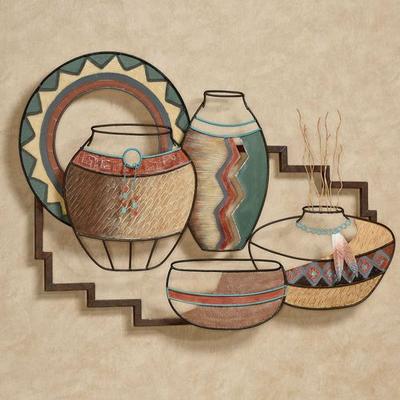
Touch of Class Native Artifacts Wall Sculpture Multi Earth , Multi EarthNative Artifacts, including three vases, a charger, and a bowl, reflect the spirit of the Southwest. This handcrafted Southwest metal wall sculpture, by JasonW Studios (C)2017, has openwork designs, a geometric border, and textured, earth-tone...329,00 $*Shipping: 46,06 $Secure redirect to the provider
-
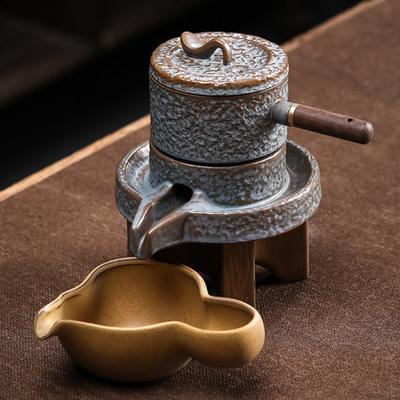
Rare Purchases Rotating Water Teapot, Automatic Stone Mill Pottery Lazy Stone Grinding Tea Set, Tea Maker For Ceremony, Home Office aAutomatic StoneMill Pottery Lazy Stone Grinding Tea Set is the perfect blend of tradition and innovation, designed to enhance your tea experience with elegance and ease. This rotating water teapot and tea maker is not just a functional tool but a...109,97 $*Shipping: 0,00 $Secure redirect to the provider
-
Youfap Market Home Dental Care Tools, Electric Teeth Cleaner, Teeth Stone Remover pinkEffective Teeth Cleaning with Electric Teeth Cleaner This Electric Teeth Cleaner is designed to help you maintain a healthy and bright smile. Its an advanced tool that removes stubborn teeth stones and tartar buildup from the comfort of your own...34,97 $*Shipping: 0,00 $Secure redirect to the provider
-
Healfit Counter Home Dental Care Tools, Electric Teeth Cleaner, Teeth Instrument, Teeth Stone Remover turquoiseMaintain a healthy, confident smile effortlessly with our Electric Teeth Cleaner, a musthave home dental care tool designed to remove stubborn teeth stones and plaque effectively. Powered by advanced sonic technology, this innovative teeth...21,97 $*Shipping: 0,00 $Secure redirect to the provider
-
What do 'watashi' and 'konnichiwa' mean?
'Watashi' means 'I' or 'me' in Japanese and is a common way to refer to oneself. 'Konnichiwa' is a greeting in Japanese that is used during the daytime to say 'hello' or 'good afternoon'. Both of these words are commonly used in everyday conversations in Japan. **
-
"Instead of konnichiwa, konnichiha is used."
The statement is incorrect. "Konnichiwa" is the correct way to say "hello" in Japanese, used during the daytime. "Konnichiha" is not a standard greeting in Japanese and would be considered incorrect. It's important to use the correct form of greeting when speaking in Japanese to show respect and understanding of the language. **
-
Why are Japanese people so polite, Konnichiwa?
Japanese people are known for their politeness due to cultural values that emphasize respect, harmony, and consideration for others. The concept of "wa" or harmony is deeply ingrained in Japanese society, leading to a strong emphasis on maintaining positive relationships and avoiding conflict. Politeness is also seen as a way to show appreciation and consideration for others, reflecting the importance of social harmony in Japanese culture. Additionally, the use of polite language and gestures is a way to show humility and respect towards others, regardless of their social status. **
-
Why is "konnichiwa" written with the character "ha"?
"Konnichiwa" is written with the character "ha" in Japanese because the pronunciation of the character "ha" changes to "wa" when used as a particle in certain words. In this case, "ha" is used as a particle to indicate a greeting, and it is pronounced as "wa" in the word "konnichiwa." This change in pronunciation is a common feature in the Japanese language. **
Similar search terms for Konnichiwa
-
Karma Harper Bar Tools Karma Harper Glass Bar ToolsOur Harper Bar Tools are the backbone to any great bar cart. Including one long-neck stirring spoon, bottle opener and duel-sided jigger, this set is the perfect start to building a collection of cocktail basics.44,00 $*Shipping: 0,00 $Secure redirect to the provider
-
Fleming Supply Knife Sharpening Stone - Dual 400/1000 Grit Wet Block - Sharpens, Sharp Tools, Kitchen, Hunting, Pocket Knives by WhetstoneKeep blades, pocket or hunting knives, kitchen cutlery, and razors sharp and polished with the Fleming Supply Sharpening Stone.37,99 $*Shipping: 0,00 $Secure redirect to the provider
-
Rare Purchases Rotating Water Teapot, Automatic Stone Mill Pottery Lazy Stone Grinding Tea Set, Tea Maker For Ceremony, Home Office bAutomatic StoneMill Pottery Lazy Stone Grinding Tea Set is the perfect blend of tradition and innovation, designed to enhance your tea experience with elegance and ease. This rotating water teapot and tea maker is not just a functional tool but a...109,97 $*Shipping: 0,00 $Secure redirect to the provider
-
What is the correct spelling: konnichiwa or konichiwa?
The correct spelling is "konnichiwa." This is the standard romanization of the Japanese word こんにちは, which is used to greet someone during the day. The double "n" in "konnichiwa" reflects the long vowel sound in the second syllable of the word. **
-
Why is "konnichiwa" written with a "w" and not with a "v"?
"Konnichiwa" is written with a "w" in the Romanized form because the Japanese language does not have a distinct "v" sound. The closest sound in Japanese to the English "v" is actually the "w" sound. Therefore, when transliterating Japanese words into the Roman alphabet, the "w" is used to represent the closest sound to the original Japanese pronunciation. **
-
Can you do pottery without using any tools?
It is possible to do pottery without using traditional tools, but it would be quite challenging. While tools such as pottery wheels, carving tools, and shaping tools make the process easier and more precise, it is possible to create pottery using only your hands. This method, known as hand-building, involves shaping the clay using just your hands and fingers. It requires a great deal of skill and patience, but it can result in unique and beautiful pottery pieces. **
-
What tools were there in the Stone Age?
During the Stone Age, tools were primarily made from materials such as stone, bone, and wood. Some common tools included hand axes, knives, scrapers, and spear points. These tools were used for hunting, gathering, and various other tasks necessary for survival. The development of these tools marked a significant advancement in early human societies. **
* All prices are inclusive of VAT and, if applicable, plus shipping costs. The offer information is based on the details provided by the respective shop and is updated through automated processes. Real-time updates do not occur, so deviations can occur in individual cases. ** Note: Parts of this content were created by AI.