Buy neolithique.eu ?
We are moving the project
neolithique.eu .
Are you interested in purchasing the domain
neolithique.eu ?
domain@kv-gmbh.de · 0541-91531010
Buy neolithique.eu ?
Can organic cotton melt?
No, organic cotton cannot melt. Cotton is a natural fiber made from the seedpod of the cotton plant, and it is not a synthetic material that can melt when exposed to high heat. Instead, cotton can ignite and burn when exposed to a flame or high temperatures. It is important to handle cotton with care around heat sources to avoid the risk of fire. **
Does organic cotton shrink after washing?
Yes, organic cotton can shrink after washing. Like all cotton fabrics, organic cotton is prone to shrinking when exposed to heat and moisture. To minimize shrinkage, it is recommended to wash organic cotton in cold water and air dry or use a low heat setting in the dryer. Additionally, pre-shrinking the fabric before sewing or wearing can help reduce further shrinkage. **

Similar search terms for Lil-Lets-Organic-Cotton-Normal
Top-Angebote
Products related to Lil-Lets-Organic-Cotton-Normal:



-
Do you buy products made with organic cotton?
As an AI language model, I do not buy products, but I can provide information on the topic. Many people choose to buy products made with organic cotton due to its environmental and social benefits. Organic cotton is grown without the use of synthetic pesticides or fertilizers, which reduces the environmental impact of cotton production. Additionally, organic cotton farming promotes healthier soil and water conservation. These factors make organic cotton products appealing to those who prioritize sustainability and ethical production practices. **
-
Can normal cotton be used instead of Zippo cotton?
Yes, normal cotton can be used instead of Zippo cotton in a Zippo lighter. Zippo cotton is specifically designed for use in Zippo lighters, but regular cotton can also be used as a replacement. However, it's important to ensure that the cotton is clean and free of any impurities or chemicals that could affect the performance of the lighter. Additionally, the cotton should be cut to the appropriate size to fit properly in the lighter. **
-
How can agriculture be converted to organic farming?
Converting agriculture to organic farming involves several key steps. First, farmers need to stop using synthetic pesticides, herbicides, and fertilizers and instead use natural alternatives such as compost, manure, and cover crops. They also need to implement crop rotation and diversify their crops to improve soil health and reduce the risk of pests and diseases. Additionally, they should avoid using genetically modified organisms (GMOs) and focus on preserving biodiversity on their farms. Finally, farmers can seek organic certification from a recognized organization to ensure that their products meet the standards of organic farming. **
-
Why are organic fertilizers usually not sufficient in agriculture?
Organic fertilizers are usually not sufficient in agriculture because they have lower nutrient concentrations compared to synthetic fertilizers. This means that larger quantities of organic fertilizers are needed to provide the same amount of nutrients to crops, which can be costly and labor-intensive. Additionally, organic fertilizers release nutrients slowly over time, making it difficult to meet the immediate nutrient demands of crops during critical growth stages. Lastly, the nutrient composition of organic fertilizers can vary widely, making it challenging to provide a consistent and balanced supply of nutrients to crops. **


What is the difference between organic and conventional agriculture?
Organic agriculture focuses on using natural methods to grow crops and raise livestock, without the use of synthetic pesticides, fertilizers, or genetically modified organisms. It also emphasizes soil health and biodiversity. Conventional agriculture, on the other hand, relies on synthetic inputs such as chemical pesticides and fertilizers, and may use genetically modified organisms. Conventional agriculture often prioritizes high yields and efficiency over environmental and long-term sustainability. **
Is there really organic Italian tomato in Italian agriculture?
Yes, there are organic Italian tomatoes in Italian agriculture. Italy is a major producer of organic tomatoes, and many farmers in Italy have embraced organic farming practices to meet the growing demand for organic produce. Organic Italian tomatoes are grown without the use of synthetic pesticides, herbicides, or fertilizers, and are subject to strict regulations to ensure their organic certification. These tomatoes are popular for their high quality and rich flavor, and are used in a variety of Italian dishes and products. **
Top-Angebote
Products related to Lil-Lets-Organic-Cotton-Normal:
-
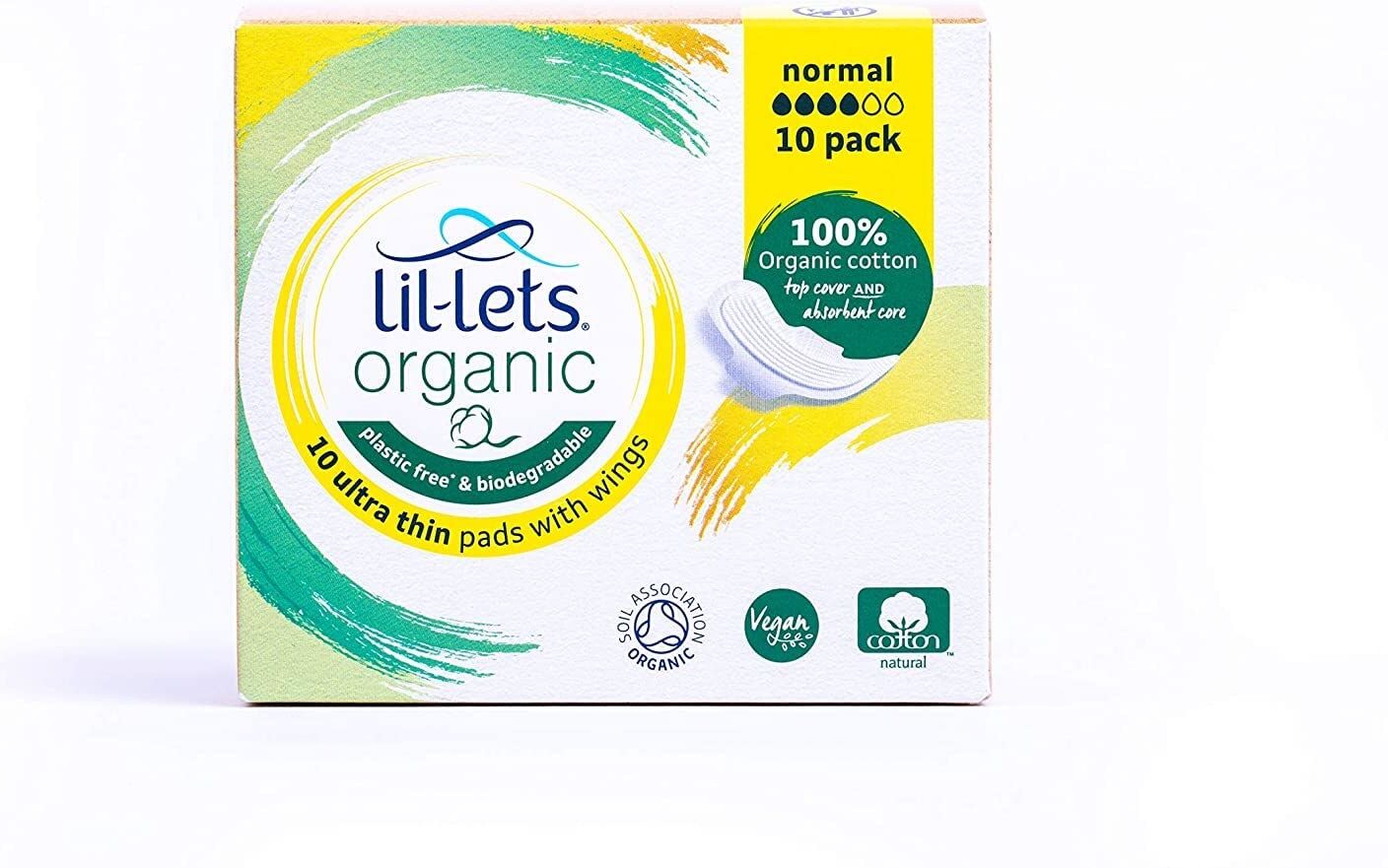
Lil-Lets Organic Cotton Normal Pads, Light to Medium Flow, 24 Pack of 10 PadsMade with 100% certified pure Organic cotton and vegan friendly with no fragrance, dyes or chlorine bleach.. Our normal organic pads have stay put wings for added protection.. If organic is the only choice for you then these pads are the perfect gentle solution for managing your period.174,49 £*Shipping: 0,00 £Secure redirect to the provider
-
Can organic cotton melt?
No, organic cotton cannot melt. Cotton is a natural fiber made from the seedpod of the cotton plant, and it is not a synthetic material that can melt when exposed to high heat. Instead, cotton can ignite and burn when exposed to a flame or high temperatures. It is important to handle cotton with care around heat sources to avoid the risk of fire. **
-
Does organic cotton shrink after washing?
Yes, organic cotton can shrink after washing. Like all cotton fabrics, organic cotton is prone to shrinking when exposed to heat and moisture. To minimize shrinkage, it is recommended to wash organic cotton in cold water and air dry or use a low heat setting in the dryer. Additionally, pre-shrinking the fabric before sewing or wearing can help reduce further shrinkage. **
-
Do you buy products made with organic cotton?
As an AI language model, I do not buy products, but I can provide information on the topic. Many people choose to buy products made with organic cotton due to its environmental and social benefits. Organic cotton is grown without the use of synthetic pesticides or fertilizers, which reduces the environmental impact of cotton production. Additionally, organic cotton farming promotes healthier soil and water conservation. These factors make organic cotton products appealing to those who prioritize sustainability and ethical production practices. **
-
Can normal cotton be used instead of Zippo cotton?
Yes, normal cotton can be used instead of Zippo cotton in a Zippo lighter. Zippo cotton is specifically designed for use in Zippo lighters, but regular cotton can also be used as a replacement. However, it's important to ensure that the cotton is clean and free of any impurities or chemicals that could affect the performance of the lighter. Additionally, the cotton should be cut to the appropriate size to fit properly in the lighter. **
Similar search terms for Lil-Lets-Organic-Cotton-Normal
-
How can agriculture be converted to organic farming?
Converting agriculture to organic farming involves several key steps. First, farmers need to stop using synthetic pesticides, herbicides, and fertilizers and instead use natural alternatives such as compost, manure, and cover crops. They also need to implement crop rotation and diversify their crops to improve soil health and reduce the risk of pests and diseases. Additionally, they should avoid using genetically modified organisms (GMOs) and focus on preserving biodiversity on their farms. Finally, farmers can seek organic certification from a recognized organization to ensure that their products meet the standards of organic farming. **
-
Why are organic fertilizers usually not sufficient in agriculture?
Organic fertilizers are usually not sufficient in agriculture because they have lower nutrient concentrations compared to synthetic fertilizers. This means that larger quantities of organic fertilizers are needed to provide the same amount of nutrients to crops, which can be costly and labor-intensive. Additionally, organic fertilizers release nutrients slowly over time, making it difficult to meet the immediate nutrient demands of crops during critical growth stages. Lastly, the nutrient composition of organic fertilizers can vary widely, making it challenging to provide a consistent and balanced supply of nutrients to crops. **
-
What is the difference between organic and conventional agriculture?
Organic agriculture focuses on using natural methods to grow crops and raise livestock, without the use of synthetic pesticides, fertilizers, or genetically modified organisms. It also emphasizes soil health and biodiversity. Conventional agriculture, on the other hand, relies on synthetic inputs such as chemical pesticides and fertilizers, and may use genetically modified organisms. Conventional agriculture often prioritizes high yields and efficiency over environmental and long-term sustainability. **
-
Is there really organic Italian tomato in Italian agriculture?
Yes, there are organic Italian tomatoes in Italian agriculture. Italy is a major producer of organic tomatoes, and many farmers in Italy have embraced organic farming practices to meet the growing demand for organic produce. Organic Italian tomatoes are grown without the use of synthetic pesticides, herbicides, or fertilizers, and are subject to strict regulations to ensure their organic certification. These tomatoes are popular for their high quality and rich flavor, and are used in a variety of Italian dishes and products. **
* All prices are inclusive of VAT and, if applicable, plus shipping costs. The offer information is based on the details provided by the respective shop and is updated through automated processes. Real-time updates do not occur, so deviations can occur in individual cases. ** Note: Parts of this content were created by AI.