Buy neolithique.eu ?
We are moving the project
neolithique.eu .
Are you interested in purchasing the domain
neolithique.eu ?
domain@kv-gmbh.de · 0541-91531010
Buy neolithique.eu ?
Can you do pottery without using any tools?
It is possible to do pottery without using traditional tools, but it would be quite challenging. While tools such as pottery wheels, carving tools, and shaping tools make the process easier and more precise, it is possible to create pottery using only your hands. This method, known as hand-building, involves shaping the clay using just your hands and fingers. It requires a great deal of skill and patience, but it can result in unique and beautiful pottery pieces. **
What tools were there in the Stone Age?
During the Stone Age, tools were primarily made from materials such as stone, bone, and wood. Some common tools included hand axes, knives, scrapers, and spear points. These tools were used for hunting, gathering, and various other tasks necessary for survival. The development of these tools marked a significant advancement in early human societies. **

Similar search terms for Rinnai-11I-17I-17e
Top-Angebote
Products related to Rinnai-11I-17I-17e:
-
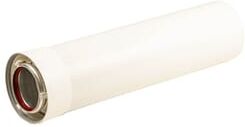
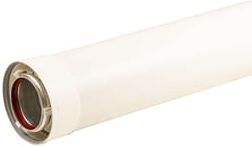
Rinnai 11i/17i/HD55i Flue Extension - 500mmRinnai 11i/17i/HD55i Flue Extension – 500mm (AWF50-05) The Rinnai AWF50-05 500mm Flue Extension is designed to extend the horizontal or vertical flue run of Rinnai 11i, 17i and HD55i non-condensing gas water heaters. This extension is ideal for installations that require longer venting distances, ensuring safe and efficient discharge of combustion gases. Manufactured to Rinnai's quality standards, this 80/125mm coaxial flue extension maintains full system compatibility and compliance with manufacturer guidelines. Perfect for indoor or confined-space installations where standard flue lengths are insufficient. Key Features & Benefits: 500mm Extension Length: Adds extra reach to your flue system for flexible installation. Compatible with Rinnai Models:70,26 £*Shipping: 5,00 £Secure redirect to the provider

-
Which is cheaper, a pottery course or owning a pottery wheel?
In general, taking a pottery course is likely to be cheaper than owning a pottery wheel. Pottery courses typically provide access to a variety of equipment, materials, and instruction for a set fee, whereas purchasing a pottery wheel can be a significant upfront investment. Additionally, pottery courses may offer the opportunity to try out different techniques and styles before committing to purchasing a wheel. Overall, taking a pottery course can be a more cost-effective way to explore pottery as a hobby or skill. **
-
What is cheaper, a pottery class or your own pottery wheel?
In general, a pottery class is usually cheaper than purchasing your own pottery wheel. Pottery classes typically provide all the necessary materials, tools, and instruction needed to create pottery pieces, whereas buying a pottery wheel can be a significant investment. Additionally, pottery classes offer the opportunity to learn from experienced instructors and interact with other students, which can enhance the overall learning experience. However, if you plan to make pottery regularly and have the space and resources to set up a pottery studio at home, investing in your own pottery wheel may be more cost-effective in the long run. **
-
What is cheaper, a pottery course or owning a pottery wheel?
In general, taking a pottery course is usually cheaper than owning a pottery wheel. Pottery courses typically provide access to a pottery wheel, kiln, and other necessary tools and materials for a set fee. On the other hand, owning a pottery wheel requires a significant upfront investment in purchasing the equipment, as well as ongoing costs for maintenance, clay, glazes, and firing. Additionally, taking a pottery course allows for instruction, guidance, and a supportive community, which can be beneficial for beginners. **
-
Which is cheaper, a pottery course or buying your own pottery wheel?
In general, taking a pottery course is likely to be cheaper than buying your own pottery wheel. Pottery courses typically provide access to all the necessary equipment, materials, and instruction for a set fee, whereas purchasing a pottery wheel can be a significant investment. Additionally, pottery courses offer the opportunity to learn from experienced instructors and interact with other students, which can enhance the overall learning experience. However, if you plan to continue practicing pottery long-term, buying your own pottery wheel may eventually be more cost-effective. **

How does one learn pottery?
Learning pottery involves a combination of practice, patience, and guidance from experienced potters. Beginners can start by taking classes at a local pottery studio or community center to learn the basics of hand-building techniques, wheel-throwing, and glazing. It is important to practice regularly and experiment with different techniques to develop skills and find one's own style. Additionally, watching tutorials, reading books, and attending workshops can also help in expanding knowledge and improving pottery skills. **
Is it worth learning pottery?
Learning pottery can be a rewarding and fulfilling experience for many people. It allows for creativity and self-expression, as well as the opportunity to develop patience and focus. Additionally, pottery can be a therapeutic and stress-relieving activity. Whether you are looking to explore a new hobby or develop a new skill, learning pottery can be a valuable and enjoyable pursuit. **
Top-Angebote
Products related to Rinnai-11I-17I-17e:
-
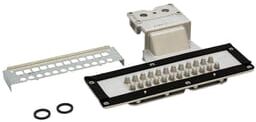
Rinnai 11i, 17i & 17e Gas Water Heater Service KitInvest in the care and maintenance of your Rinnai 11i, 17i or 17e gas water heater with this dedicated service kit. By doing so, you are not only enhancing its current performance but also investing in its longevity, securing uninterrupted comfort for your home or business premises for years to come. Benefits of Regular Maintenance: Enhanced Efficiency: Regular servicing can ensure that your water heater operates at peak efficiency, reducing energy bills. Longer Lifespan: Preventing buildup and replacing worn-out parts can significantly extend the life of your water heater. Safety: Ensuring that your appliance is in top condition minimizes the risk of leaks or malfunctions. Installation & Safety: Always ensure that installation and88,20 £*Shipping: 0,00 £Secure redirect to the provider
-
Rinnai 11I,17I & 17e A Series LPG Conversion KitRinnai 11i, 17i & 17e A Series LPG Conversion Kit (17I CONV NG-LPG) The Rinnai 11i, 17i & 17e A Series LPG Conversion Kit is the genuine, manufacturer-approved solution for converting a compatible Rinnai A Series continuous flow water heater from natural gas to LPG (propane). It's built to Rinnai's own standards and covers three models in the A Series range — the 11i, 17i, and 17e — with components precision-engineered to get gas regulation correct after conversion. This kit is well suited to rural properties or any location without access to mains natural gas, giving a cost-effective way to run an A Series appliance on LPG without sacrificing efficiency, safety, or long-term reliability. ⚠ Important: This conversion must be carried out by a Gas Safe registered engineer familiar with Rinnai appliances. Isolate t54,00 £*Shipping: 5,00 £Secure redirect to the provider
-
Rinnai 11i/17i/HD55i Flue Extension - 500mmRinnai 11i/17i/HD55i Flue Extension – 500mm (AWF50-05) The Rinnai AWF50-05 500mm Flue Extension is designed to extend the horizontal or vertical flue run of Rinnai 11i, 17i and HD55i non-condensing gas water heaters. This extension is ideal for installations that require longer venting distances, ensuring safe and efficient discharge of combustion gases. Manufactured to Rinnai's quality standards, this 80/125mm coaxial flue extension maintains full system compatibility and compliance with manufacturer guidelines. Perfect for indoor or confined-space installations where standard flue lengths are insufficient. Key Features & Benefits: 500mm Extension Length: Adds extra reach to your flue system for flexible installation. Compatible with Rinnai Models:70,26 £*Shipping: 5,00 £Secure redirect to the provider
-
Can you do pottery without using any tools?
It is possible to do pottery without using traditional tools, but it would be quite challenging. While tools such as pottery wheels, carving tools, and shaping tools make the process easier and more precise, it is possible to create pottery using only your hands. This method, known as hand-building, involves shaping the clay using just your hands and fingers. It requires a great deal of skill and patience, but it can result in unique and beautiful pottery pieces. **
-
What tools were there in the Stone Age?
During the Stone Age, tools were primarily made from materials such as stone, bone, and wood. Some common tools included hand axes, knives, scrapers, and spear points. These tools were used for hunting, gathering, and various other tasks necessary for survival. The development of these tools marked a significant advancement in early human societies. **
-
Which is cheaper, a pottery course or owning a pottery wheel?
In general, taking a pottery course is likely to be cheaper than owning a pottery wheel. Pottery courses typically provide access to a variety of equipment, materials, and instruction for a set fee, whereas purchasing a pottery wheel can be a significant upfront investment. Additionally, pottery courses may offer the opportunity to try out different techniques and styles before committing to purchasing a wheel. Overall, taking a pottery course can be a more cost-effective way to explore pottery as a hobby or skill. **
-
What is cheaper, a pottery class or your own pottery wheel?
In general, a pottery class is usually cheaper than purchasing your own pottery wheel. Pottery classes typically provide all the necessary materials, tools, and instruction needed to create pottery pieces, whereas buying a pottery wheel can be a significant investment. Additionally, pottery classes offer the opportunity to learn from experienced instructors and interact with other students, which can enhance the overall learning experience. However, if you plan to make pottery regularly and have the space and resources to set up a pottery studio at home, investing in your own pottery wheel may be more cost-effective in the long run. **
Similar search terms for Rinnai-11I-17I-17e
-
Rinnai 11i/17i Connection & Isolation Valve PackThe Rinnai 11i/17i Connection & Isolation Valve Pack is a must-have for enhancing the functionality and safety of your Rinnai water heating systems. Designed with precision and compatibility in mind, this valve pack seamlessly integrates with the Rinnai 11i and 17i models, ensuring a perfect fit and effortless installation. For use with 15mm copper tube.38,40 £*Shipping: 5,00 £Secure redirect to the provider
-
What is cheaper, a pottery course or owning a pottery wheel?
In general, taking a pottery course is usually cheaper than owning a pottery wheel. Pottery courses typically provide access to a pottery wheel, kiln, and other necessary tools and materials for a set fee. On the other hand, owning a pottery wheel requires a significant upfront investment in purchasing the equipment, as well as ongoing costs for maintenance, clay, glazes, and firing. Additionally, taking a pottery course allows for instruction, guidance, and a supportive community, which can be beneficial for beginners. **
-
Which is cheaper, a pottery course or buying your own pottery wheel?
In general, taking a pottery course is likely to be cheaper than buying your own pottery wheel. Pottery courses typically provide access to all the necessary equipment, materials, and instruction for a set fee, whereas purchasing a pottery wheel can be a significant investment. Additionally, pottery courses offer the opportunity to learn from experienced instructors and interact with other students, which can enhance the overall learning experience. However, if you plan to continue practicing pottery long-term, buying your own pottery wheel may eventually be more cost-effective. **
-
How does one learn pottery?
Learning pottery involves a combination of practice, patience, and guidance from experienced potters. Beginners can start by taking classes at a local pottery studio or community center to learn the basics of hand-building techniques, wheel-throwing, and glazing. It is important to practice regularly and experiment with different techniques to develop skills and find one's own style. Additionally, watching tutorials, reading books, and attending workshops can also help in expanding knowledge and improving pottery skills. **
-
Is it worth learning pottery?
Learning pottery can be a rewarding and fulfilling experience for many people. It allows for creativity and self-expression, as well as the opportunity to develop patience and focus. Additionally, pottery can be a therapeutic and stress-relieving activity. Whether you are looking to explore a new hobby or develop a new skill, learning pottery can be a valuable and enjoyable pursuit. **
* All prices are inclusive of VAT and, if applicable, plus shipping costs. The offer information is based on the details provided by the respective shop and is updated through automated processes. Real-time updates do not occur, so deviations can occur in individual cases. ** Note: Parts of this content were created by AI.