Buy neolithique.eu ?
We are moving the project
neolithique.eu .
Are you interested in purchasing the domain
neolithique.eu ?
domain@kv-gmbh.de · 0541-91531010
Buy neolithique.eu ?
Why are rudiments and atavisms evidence for evolution?
Rudiments and atavisms are evidence for evolution because they demonstrate the presence of ancestral traits in modern organisms. Rudiments are underdeveloped or vestigial structures that were more functional in the ancestors of a species, but have become reduced in size or function over time. Atavisms are the reappearance of ancestral traits that have been lost in a species' evolutionary history. Both of these phenomena provide evidence for evolution by showing that organisms have changed over time, and that they share a common ancestry with their evolutionary relatives. **
What is the difference between rudiments and atavisms?
Rudiments are primitive or undeveloped structures or behaviors that are remnants of an earlier stage of evolution. They are often vestigial and no longer serve a functional purpose. Atavisms, on the other hand, are the reappearance of ancestral traits that have been lost in the evolutionary process. Atavisms are the result of genetic mutations or variations that cause the expression of ancestral characteristics in an individual. In summary, rudiments are remnants of past evolutionary stages, while atavisms are the re-emergence of ancestral traits. **
Similar search terms for Rudiments
Top-Angebote
Products related to Rudiments:
-
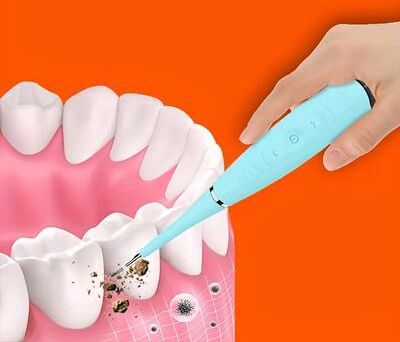
Youfap Market Home Dental Care Tools, Electric Teeth Cleaner, Teeth Stone Remover pinkEffective Teeth Cleaning with Electric Teeth Cleaner This Electric Teeth Cleaner is designed to help you maintain a healthy and bright smile. Its an advanced tool that removes stubborn teeth stones and tartar buildup from the comfort of your own...34,97 $*Shipping: 0,00 $Secure redirect to the provider


-
Is a stronger evidence of evolution rudiments or atavisms?
A stronger evidence of evolution would be rudiments rather than atavisms. Rudiments are structures or traits that have lost their original function over time but are still present in an organism, providing evidence of a shared evolutionary history. On the other hand, atavisms are traits that reappear in a species after being absent for generations, which can be seen as a regression rather than progression in evolution. Therefore, rudiments are a more reliable indicator of evolution as they demonstrate gradual changes and adaptations over time. **
-
What is the significance of rudiments and atavisms for the theory of evolution?
Rudiments and atavisms are significant for the theory of evolution because they provide evidence for the process of evolution. Rudiments are structures or organs that have lost their original function over time, indicating a change in the organism's environment or behavior. Atavisms are the reappearance of ancestral traits in a modern organism, suggesting that these traits were once advantageous in the organism's evolutionary history. Both rudiments and atavisms support the idea that organisms have evolved over time, and provide valuable insights into the mechanisms and patterns of evolution. **
-
Can you do pottery without using any tools?
It is possible to do pottery without using traditional tools, but it would be quite challenging. While tools such as pottery wheels, carving tools, and shaping tools make the process easier and more precise, it is possible to create pottery using only your hands. This method, known as hand-building, involves shaping the clay using just your hands and fingers. It requires a great deal of skill and patience, but it can result in unique and beautiful pottery pieces. **
-
What tools were there in the Stone Age?
During the Stone Age, tools were primarily made from materials such as stone, bone, and wood. Some common tools included hand axes, knives, scrapers, and spear points. These tools were used for hunting, gathering, and various other tasks necessary for survival. The development of these tools marked a significant advancement in early human societies. **


Which is cheaper, a pottery course or owning a pottery wheel?
In general, taking a pottery course is likely to be cheaper than owning a pottery wheel. Pottery courses typically provide access to a variety of equipment, materials, and instruction for a set fee, whereas purchasing a pottery wheel can be a significant upfront investment. Additionally, pottery courses may offer the opportunity to try out different techniques and styles before committing to purchasing a wheel. Overall, taking a pottery course can be a more cost-effective way to explore pottery as a hobby or skill. **
What is cheaper, a pottery class or your own pottery wheel?
In general, a pottery class is usually cheaper than purchasing your own pottery wheel. Pottery classes typically provide all the necessary materials, tools, and instruction needed to create pottery pieces, whereas buying a pottery wheel can be a significant investment. Additionally, pottery classes offer the opportunity to learn from experienced instructors and interact with other students, which can enhance the overall learning experience. However, if you plan to make pottery regularly and have the space and resources to set up a pottery studio at home, investing in your own pottery wheel may be more cost-effective in the long run. **
Top-Angebote
Products related to Rudiments:
-
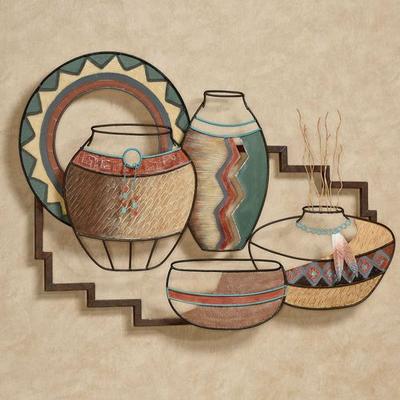
Touch of Class Native Artifacts Wall Sculpture Multi Earth , Multi EarthNative Artifacts, including three vases, a charger, and a bowl, reflect the spirit of the Southwest. This handcrafted Southwest metal wall sculpture, by JasonW Studios (C)2017, has openwork designs, a geometric border, and textured, earth-tone...329,00 $*Shipping: 46,06 $Secure redirect to the provider
-
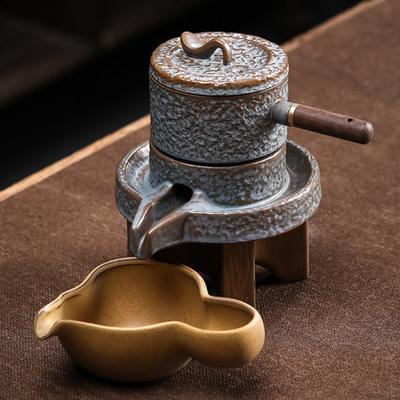
Rare Purchases Rotating Water Teapot, Automatic Stone Mill Pottery Lazy Stone Grinding Tea Set, Tea Maker For Ceremony, Home Office bAutomatic StoneMill Pottery Lazy Stone Grinding Tea Set is the perfect blend of tradition and innovation, designed to enhance your tea experience with elegance and ease. This rotating water teapot and tea maker is not just a functional tool but a...109,97 $*Shipping: 0,00 $Secure redirect to the provider
-
Youfap Market Home Dental Care Tools, Electric Teeth Cleaner, Teeth Stone Remover pinkEffective Teeth Cleaning with Electric Teeth Cleaner This Electric Teeth Cleaner is designed to help you maintain a healthy and bright smile. Its an advanced tool that removes stubborn teeth stones and tartar buildup from the comfort of your own...34,97 $*Shipping: 0,00 $Secure redirect to the provider
-
Why are rudiments and atavisms evidence for evolution?
Rudiments and atavisms are evidence for evolution because they demonstrate the presence of ancestral traits in modern organisms. Rudiments are underdeveloped or vestigial structures that were more functional in the ancestors of a species, but have become reduced in size or function over time. Atavisms are the reappearance of ancestral traits that have been lost in a species' evolutionary history. Both of these phenomena provide evidence for evolution by showing that organisms have changed over time, and that they share a common ancestry with their evolutionary relatives. **
-
What is the difference between rudiments and atavisms?
Rudiments are primitive or undeveloped structures or behaviors that are remnants of an earlier stage of evolution. They are often vestigial and no longer serve a functional purpose. Atavisms, on the other hand, are the reappearance of ancestral traits that have been lost in the evolutionary process. Atavisms are the result of genetic mutations or variations that cause the expression of ancestral characteristics in an individual. In summary, rudiments are remnants of past evolutionary stages, while atavisms are the re-emergence of ancestral traits. **
-
Is a stronger evidence of evolution rudiments or atavisms?
A stronger evidence of evolution would be rudiments rather than atavisms. Rudiments are structures or traits that have lost their original function over time but are still present in an organism, providing evidence of a shared evolutionary history. On the other hand, atavisms are traits that reappear in a species after being absent for generations, which can be seen as a regression rather than progression in evolution. Therefore, rudiments are a more reliable indicator of evolution as they demonstrate gradual changes and adaptations over time. **
-
What is the significance of rudiments and atavisms for the theory of evolution?
Rudiments and atavisms are significant for the theory of evolution because they provide evidence for the process of evolution. Rudiments are structures or organs that have lost their original function over time, indicating a change in the organism's environment or behavior. Atavisms are the reappearance of ancestral traits in a modern organism, suggesting that these traits were once advantageous in the organism's evolutionary history. Both rudiments and atavisms support the idea that organisms have evolved over time, and provide valuable insights into the mechanisms and patterns of evolution. **
Similar search terms for Rudiments
-
Can you do pottery without using any tools?
It is possible to do pottery without using traditional tools, but it would be quite challenging. While tools such as pottery wheels, carving tools, and shaping tools make the process easier and more precise, it is possible to create pottery using only your hands. This method, known as hand-building, involves shaping the clay using just your hands and fingers. It requires a great deal of skill and patience, but it can result in unique and beautiful pottery pieces. **
-
What tools were there in the Stone Age?
During the Stone Age, tools were primarily made from materials such as stone, bone, and wood. Some common tools included hand axes, knives, scrapers, and spear points. These tools were used for hunting, gathering, and various other tasks necessary for survival. The development of these tools marked a significant advancement in early human societies. **
-
Which is cheaper, a pottery course or owning a pottery wheel?
In general, taking a pottery course is likely to be cheaper than owning a pottery wheel. Pottery courses typically provide access to a variety of equipment, materials, and instruction for a set fee, whereas purchasing a pottery wheel can be a significant upfront investment. Additionally, pottery courses may offer the opportunity to try out different techniques and styles before committing to purchasing a wheel. Overall, taking a pottery course can be a more cost-effective way to explore pottery as a hobby or skill. **
-
What is cheaper, a pottery class or your own pottery wheel?
In general, a pottery class is usually cheaper than purchasing your own pottery wheel. Pottery classes typically provide all the necessary materials, tools, and instruction needed to create pottery pieces, whereas buying a pottery wheel can be a significant investment. Additionally, pottery classes offer the opportunity to learn from experienced instructors and interact with other students, which can enhance the overall learning experience. However, if you plan to make pottery regularly and have the space and resources to set up a pottery studio at home, investing in your own pottery wheel may be more cost-effective in the long run. **
* All prices are inclusive of VAT and, if applicable, plus shipping costs. The offer information is based on the details provided by the respective shop and is updated through automated processes. Real-time updates do not occur, so deviations can occur in individual cases. ** Note: Parts of this content were created by AI.