Buy neolithique.eu ?
We are moving the project
neolithique.eu .
Are you interested in purchasing the domain
neolithique.eu ?
domain@kv-gmbh.de · 0541-91531010
Buy neolithique.eu ?
How does the German unification in the 19th century differ from the Italian unification?
The German unification in the 19th century was primarily driven by the leadership of Prussia under Otto von Bismarck, who used a combination of diplomacy and warfare to unify the German states. In contrast, the Italian unification was led by several key figures such as Giuseppe Garibaldi and Count Camillo di Cavour, and involved a series of military campaigns and uprisings to unify the Italian states. Additionally, the German unification resulted in the creation of a powerful, centralized German Empire, while the Italian unification led to the establishment of a constitutional monarchy under King Victor Emmanuel II. **
Have the Wars of Unification changed nationalism?
Yes, the Wars of Unification have changed nationalism by promoting a sense of unity and pride among the people of the newly unified nations. These wars helped to solidify the idea of a shared national identity and common goals, leading to a stronger sense of nationalism. Additionally, the victories in these wars often fueled a sense of superiority and exceptionalism among the citizens of the unified nations. Overall, the Wars of Unification played a significant role in shaping and strengthening nationalist sentiments in the countries involved. **

Similar search terms for Unification
Top-Angebote
Products related to Unification:
-
Youfap Market Home Dental Care Tools, Electric Teeth Cleaner, Teeth Stone Remover pinkEffective Teeth Cleaning with Electric Teeth Cleaner This Electric Teeth Cleaner is designed to help you maintain a healthy and bright smile. Its an advanced tool that removes stubborn teeth stones and tartar buildup from the comfort of your own...34,97 $*Shipping: 0,00 $Secure redirect to the provider
-
Healfit Counter Home Dental Care Tools, Electric Teeth Cleaner, Teeth Instrument, Teeth Stone Remover turquoiseMaintain a healthy, confident smile effortlessly with our Electric Teeth Cleaner, a musthave home dental care tool designed to remove stubborn teeth stones and plaque effectively. Powered by advanced sonic technology, this innovative teeth...21,97 $*Shipping: 0,00 $Secure redirect to the provider
-
Karma Harper Bar Tools Karma Harper Glass Bar ToolsOur Harper Bar Tools are the backbone to any great bar cart. Including one long-neck stirring spoon, bottle opener and duel-sided jigger, this set is the perfect start to building a collection of cocktail basics.44,00 $*Shipping: 0,00 $Secure redirect to the provider




-
Did the Wars of Unification change nationalism?
Yes, the Wars of Unification played a significant role in changing nationalism. These wars, such as the Italian and German unifications in the 19th century, helped to strengthen national identities and create unified nations. The victories in these wars fueled a sense of national pride and solidarity among the people, leading to a stronger sense of nationalism. Additionally, the successful unifications demonstrated the power of nationalism as a unifying force in achieving political goals. **
-
What happened during the German unification in 1871?
During the German unification in 1871, the various independent German states were brought together under the leadership of Prussia. This unification was achieved through a series of wars and diplomatic negotiations, culminating in the proclamation of the German Empire at the Palace of Versailles. Otto von Bismarck, the Chancellor of Prussia, played a key role in orchestrating the unification process. The new German Empire was headed by the King of Prussia, who became the Emperor of Germany, and it marked a significant shift in the balance of power in Europe. **
-
Was European unification a financial gain for Germany?
European unification has been a financial gain for Germany in many ways. As the largest and most powerful economy in the European Union, Germany has benefited from increased trade and investment opportunities within the EU. The single currency, the Euro, has also made it easier for German businesses to conduct transactions with other European countries. Additionally, EU funding and subsidies have supported infrastructure and development projects in Germany. However, it is important to note that European unification has also brought about financial responsibilities for Germany, such as contributing to the EU budget and providing financial assistance to struggling member states. Overall, while there have been costs associated with European unification, the economic benefits for Germany have been significant. **
-
Is the Unification Church a cult or not?
The classification of the Unification Church as a cult is a matter of debate and controversy. Some critics and former members have labeled it as a cult due to its unconventional beliefs, strict hierarchical structure, and the charismatic leadership of its founder, Sun Myung Moon. However, the Unification Church itself rejects the label of cult and instead considers itself a legitimate religious movement. Ultimately, whether the Unification Church is considered a cult or not depends on one's perspective and interpretation of its teachings and practices. **

What were the consequences of the German unification?
The consequences of German unification were both positive and negative. On the positive side, it led to the creation of a powerful and economically strong nation in the heart of Europe. It also brought about a sense of national identity and pride among the German people. However, the unification also led to tensions with neighboring countries, particularly France, and raised concerns about the balance of power in Europe. Additionally, the process of unification resulted in economic and social challenges, as the former East Germany struggled to catch up with the more prosperous West. **
What is the definition of the Wars of Unification?
The Wars of Unification refer to a series of conflicts and military campaigns that took place in the 19th century with the goal of unifying separate states or regions into a single nation. These wars typically involved a dominant power seeking to bring together smaller states or territories under its control through conquest or diplomacy. Examples of Wars of Unification include the unification of Italy led by figures like Giuseppe Garibaldi and Count Cavour, as well as the unification of Germany under the leadership of Otto von Bismarck. **
Top-Angebote
Products related to Unification:
-
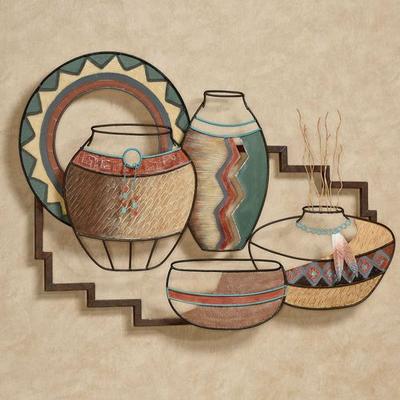
Touch of Class Native Artifacts Wall Sculpture Multi Earth , Multi EarthNative Artifacts, including three vases, a charger, and a bowl, reflect the spirit of the Southwest. This handcrafted Southwest metal wall sculpture, by JasonW Studios (C)2017, has openwork designs, a geometric border, and textured, earth-tone...329,00 $*Shipping: 46,06 $Secure redirect to the provider
-
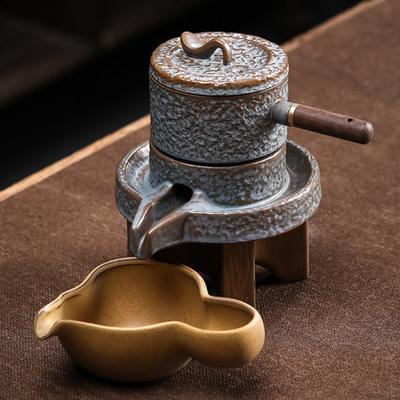
Rare Purchases Rotating Water Teapot, Automatic Stone Mill Pottery Lazy Stone Grinding Tea Set, Tea Maker For Ceremony, Home Office aAutomatic StoneMill Pottery Lazy Stone Grinding Tea Set is the perfect blend of tradition and innovation, designed to enhance your tea experience with elegance and ease. This rotating water teapot and tea maker is not just a functional tool but a...109,97 $*Shipping: 0,00 $Secure redirect to the provider
-
Youfap Market Home Dental Care Tools, Electric Teeth Cleaner, Teeth Stone Remover pinkEffective Teeth Cleaning with Electric Teeth Cleaner This Electric Teeth Cleaner is designed to help you maintain a healthy and bright smile. Its an advanced tool that removes stubborn teeth stones and tartar buildup from the comfort of your own...34,97 $*Shipping: 0,00 $Secure redirect to the provider
-
Healfit Counter Home Dental Care Tools, Electric Teeth Cleaner, Teeth Instrument, Teeth Stone Remover turquoiseMaintain a healthy, confident smile effortlessly with our Electric Teeth Cleaner, a musthave home dental care tool designed to remove stubborn teeth stones and plaque effectively. Powered by advanced sonic technology, this innovative teeth...21,97 $*Shipping: 0,00 $Secure redirect to the provider
-
How does the German unification in the 19th century differ from the Italian unification?
The German unification in the 19th century was primarily driven by the leadership of Prussia under Otto von Bismarck, who used a combination of diplomacy and warfare to unify the German states. In contrast, the Italian unification was led by several key figures such as Giuseppe Garibaldi and Count Camillo di Cavour, and involved a series of military campaigns and uprisings to unify the Italian states. Additionally, the German unification resulted in the creation of a powerful, centralized German Empire, while the Italian unification led to the establishment of a constitutional monarchy under King Victor Emmanuel II. **
-
Have the Wars of Unification changed nationalism?
Yes, the Wars of Unification have changed nationalism by promoting a sense of unity and pride among the people of the newly unified nations. These wars helped to solidify the idea of a shared national identity and common goals, leading to a stronger sense of nationalism. Additionally, the victories in these wars often fueled a sense of superiority and exceptionalism among the citizens of the unified nations. Overall, the Wars of Unification played a significant role in shaping and strengthening nationalist sentiments in the countries involved. **
-
Did the Wars of Unification change nationalism?
Yes, the Wars of Unification played a significant role in changing nationalism. These wars, such as the Italian and German unifications in the 19th century, helped to strengthen national identities and create unified nations. The victories in these wars fueled a sense of national pride and solidarity among the people, leading to a stronger sense of nationalism. Additionally, the successful unifications demonstrated the power of nationalism as a unifying force in achieving political goals. **
-
What happened during the German unification in 1871?
During the German unification in 1871, the various independent German states were brought together under the leadership of Prussia. This unification was achieved through a series of wars and diplomatic negotiations, culminating in the proclamation of the German Empire at the Palace of Versailles. Otto von Bismarck, the Chancellor of Prussia, played a key role in orchestrating the unification process. The new German Empire was headed by the King of Prussia, who became the Emperor of Germany, and it marked a significant shift in the balance of power in Europe. **
Similar search terms for Unification
-
Karma Harper Bar Tools Karma Harper Glass Bar ToolsOur Harper Bar Tools are the backbone to any great bar cart. Including one long-neck stirring spoon, bottle opener and duel-sided jigger, this set is the perfect start to building a collection of cocktail basics.44,00 $*Shipping: 0,00 $Secure redirect to the provider
-
Fleming Supply Knife Sharpening Stone - Dual 400/1000 Grit Wet Block - Sharpens, Sharp Tools, Kitchen, Hunting, Pocket Knives by WhetstoneKeep blades, pocket or hunting knives, kitchen cutlery, and razors sharp and polished with the Fleming Supply Sharpening Stone.37,99 $*Shipping: 0,00 $Secure redirect to the provider
-
Rare Purchases Rotating Water Teapot, Automatic Stone Mill Pottery Lazy Stone Grinding Tea Set, Tea Maker For Ceremony, Home Office bAutomatic StoneMill Pottery Lazy Stone Grinding Tea Set is the perfect blend of tradition and innovation, designed to enhance your tea experience with elegance and ease. This rotating water teapot and tea maker is not just a functional tool but a...109,97 $*Shipping: 0,00 $Secure redirect to the provider
-
Was European unification a financial gain for Germany?
European unification has been a financial gain for Germany in many ways. As the largest and most powerful economy in the European Union, Germany has benefited from increased trade and investment opportunities within the EU. The single currency, the Euro, has also made it easier for German businesses to conduct transactions with other European countries. Additionally, EU funding and subsidies have supported infrastructure and development projects in Germany. However, it is important to note that European unification has also brought about financial responsibilities for Germany, such as contributing to the EU budget and providing financial assistance to struggling member states. Overall, while there have been costs associated with European unification, the economic benefits for Germany have been significant. **
-
Is the Unification Church a cult or not?
The classification of the Unification Church as a cult is a matter of debate and controversy. Some critics and former members have labeled it as a cult due to its unconventional beliefs, strict hierarchical structure, and the charismatic leadership of its founder, Sun Myung Moon. However, the Unification Church itself rejects the label of cult and instead considers itself a legitimate religious movement. Ultimately, whether the Unification Church is considered a cult or not depends on one's perspective and interpretation of its teachings and practices. **
-
What were the consequences of the German unification?
The consequences of German unification were both positive and negative. On the positive side, it led to the creation of a powerful and economically strong nation in the heart of Europe. It also brought about a sense of national identity and pride among the German people. However, the unification also led to tensions with neighboring countries, particularly France, and raised concerns about the balance of power in Europe. Additionally, the process of unification resulted in economic and social challenges, as the former East Germany struggled to catch up with the more prosperous West. **
-
What is the definition of the Wars of Unification?
The Wars of Unification refer to a series of conflicts and military campaigns that took place in the 19th century with the goal of unifying separate states or regions into a single nation. These wars typically involved a dominant power seeking to bring together smaller states or territories under its control through conquest or diplomacy. Examples of Wars of Unification include the unification of Italy led by figures like Giuseppe Garibaldi and Count Cavour, as well as the unification of Germany under the leadership of Otto von Bismarck. **
* All prices are inclusive of VAT and, if applicable, plus shipping costs. The offer information is based on the details provided by the respective shop and is updated through automated processes. Real-time updates do not occur, so deviations can occur in individual cases. ** Note: Parts of this content were created by AI.